
What Hotel Star Ratings Mean? A Complete Guide to 1 to 5 Star Hotels Around the World
Book a 4-star hotel in Paris, then a 4-star in Bangkok, and you might wonder if they're using the same scale. They aren't. Star ratings follow different rules depending on the country and the organization handing them out. This guide explains what each star level means, what you get at each one, real hotel examples, and why "7-star hotels" aren't an official thing.
What is a hotel star rating?
A hotel star rating is a classification of what a hotel offers, from 1 star for basic stays to 5 stars for full luxury. Stars measure facilities and services: front desk hours, dining, room size, pools, spas, concierge. They don't measure how much you'll enjoy your stay. Cleanliness, staff attitude, and value for money come from guest reviews, which are a separate thing from official stars.
Most rating bodies use a checklist or points model. An inspector reviews the property against a list of requirements covering rooms, bathrooms, food and beverage, guest services, and maintenance. The hotel gets the highest star level it fully qualifies for.
Who decides a hotel's star rating?
No single global body rates hotels. Each country or organization sets its own criteria. Some ratings come from governments, some from hotel associations, and some from private guides. In countries with no official system, booking sites sometimes display stars the hotel reported about itself. This is why the same hotel can show different star counts on different websites.
The major rating systems you'll run into:
Hotelstars Union (Europe)
A group of European hotel associations using shared criteria across member countries. Hotels are rated 1 to 5 stars, with a "Superior" label for properties that exceed their category.Germany's hotel association runs the national 1 to 5 star classification under Hotelstars Union criteria.
AA (United Kingdom)
Rates hotels 1 to 5 stars, with extra recognition for top performers.AAA Diamonds (North America)
Uses One to Five Diamonds instead of stars.Forbes Travel Guide (global)
A private system with anonymous inspectors that focuses on luxury properties and weighs service heavily. It awards Five-Star, Four-Star, and Recommended.Government tourism departments
Many countries in Asia, Africa, and the Middle East rate hotels through their tourism ministry, like the Philippines' Department of Tourism or South Africa's Tourism Grading Council.Michelin Keys
Michelin began rating hotels with Keys in 2024, separate from its restaurant stars.
What is the difference between 1, 2, 3, 4, and 5 star hotels?
Each star level adds services and facilities on top of the one below it. A 1-star hotel gives you a clean room and a bed. A 2-star adds a private bathroom and daily housekeeping. A 3-star adds a restaurant and more guest services. A 4-star adds a pool, spa, and concierge. A 5-star adds personalized, round-the-clock service and multiple dining venues.
| Star rating | Service level | Dining | Typical guest |
|---|---|---|---|
| 1 star | Minimal, limited front desk hours | None or vending machines | Backpackers, overnight stops |
| 2 star | Basic, daily housekeeping | Breakfast at some properties | Budget travelers, road trips |
| 3 star | Full front desk, some extras | On-site restaurant | Business travelers, families on a budget |
| 4 star | Concierge, room service | Several restaurants and bars | Vacationers, families, events |
| 5 star | Personalized, 24-hour | Multiple fine dining options | Luxury travel, special occasions |
What is a 1-star hotel?
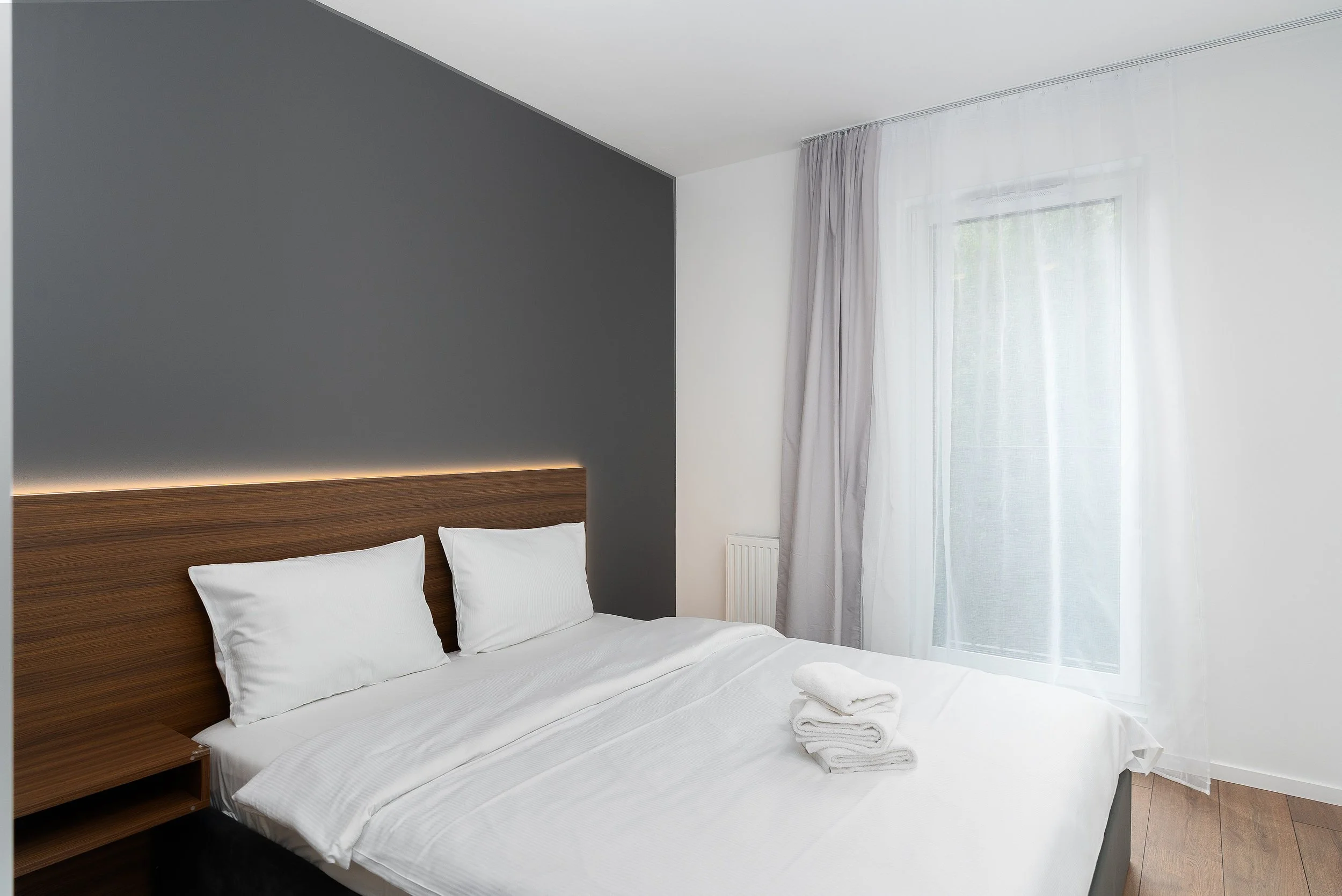
A 1-star hotel is a basic property that gives you a clean, safe room to sleep in and very little else. Service is minimal, amenities are few, and the price is the lowest of any rated hotel. One star says nothing about cleanliness or safety. It means the hotel covers the essentials only.
One-star properties are often independently owned, small, and close to transport hubs or city centers. The front desk may close at night, and housekeeping may only happen between guests. You probably won't find a restaurant on-site, though some have vending machines or a shared kitchen.
What to expect:
A bed, basic furniture, and a small room
Private or shared bathroom, depending on the country
Limited front desk hours
Housekeeping between stays, not daily
No restaurant, room service, or leisure facilities
Wi-Fi at some properties, sometimes paid
Best for: Solo travelers, backpackers, and anyone who only needs a bed for one night.
Hotel examples:
hotelF1, the Accor budget brand found along French highways and city outskirts, typically rated 1 star under France's classification
Small independent guesthouses and hostels with private rooms in Europe and Southeast Asia like First Pacific Inn and JM Dormitel.
What is a 2-star hotel?

A 2-star hotel offers a private bathroom, daily housekeeping, and a few more comforts than a 1-star. Rooms usually have a TV, phone, and closet. Many are part of budget chains, so you'll get a consistent experience across locations. Some include breakfast.
Two-star hotels are built for short stays. You'll find them near highways, airports, and train stations, aimed at travelers passing through or those who plan to spend the day outside. Front desk hours are longer than at 1-star properties, and some run 24 hours.
What to expect:
Private en suite bathroom
TV, phone, and closet or clothes rack
Daily housekeeping
Longer front desk hours, sometimes 24-hour
Breakfast at some properties, often a simple buffet
Loyalty points if it's a chain
Best for: Budget travelers, road trips, and short business stays.
Hotel examples:
ibis budget (Accor), common across Europe, Asia, and Australia
Travelodge in the United Kingdom
Econo Lodge and Sleep Inn (Choice Hotels) in North America
What is a 3-star hotel?

A 3-star hotel is a mid-range property with a full-service front desk, an on-site restaurant, and extras like a gym, pool, or meeting rooms. Rooms are larger and better furnished than at 2-star hotels. It's the most common rating for business travelers and families watching their budget.
Three-star hotels sit in city centers, business districts, and near major attractions. Service is professional and consistent, though you won't get the personal attention of higher tiers. Room service may be available during set hours.
What to expect:
Larger rooms with a desk, seating area, and better bedding
24-hour front desk
On-site restaurant, usually serving breakfast and dinner
Fitness room, and a pool at some properties
Meeting rooms or a business center
Free Wi-Fi at most properties
Room service during limited hours
Best for: Business travelers, city breaks, and families who want comfort without luxury prices.
Hotel examples:
ibis (Accor), typically 3 stars in European markets
Holiday Inn Express (IHG)
Hampton by Hilton
Premier Inn in the United Kingdom
What is a 4-star hotel?
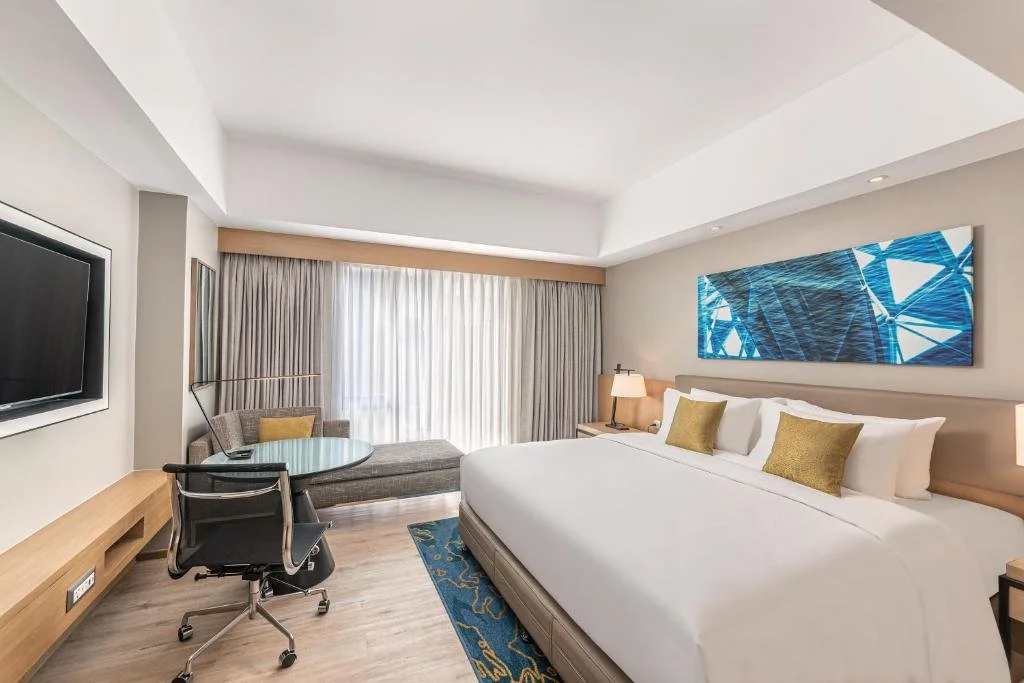
A 4-star hotel is an upscale property with concierge service, multiple restaurants, a pool, often a spa, and late-night or 24-hour room service. Rooms are spacious with premium bedding and furnishings. Staff coverage is high, so requests get handled fast.
Four-star hotels work as destinations in themselves. Guests can eat, swim, work out, and relax without leaving the property. Lobbies are polished, and you'll usually find valet parking, bellhops, and event spaces for weddings and conferences.
What to expect:
Spacious rooms with premium beds and linens
Bathrobes, slippers, in-room safe, and minibar
Several restaurants and a bar or lounge
Room service late into the night or 24 hours
Pool, fitness center, and often a spa
Concierge, bellhops, and valet parking
Event and conference facilities
Best for: Family vacations, couples, and travelers who want more comfort and service for a few nights.
Hotel examples:
Novotel and Pullman (Accor)
Crowne Plaza and Holiday Inn (IHG), depending on the market
Hilton Hotels & Resorts, depending on the market
What is a 5-star hotel?
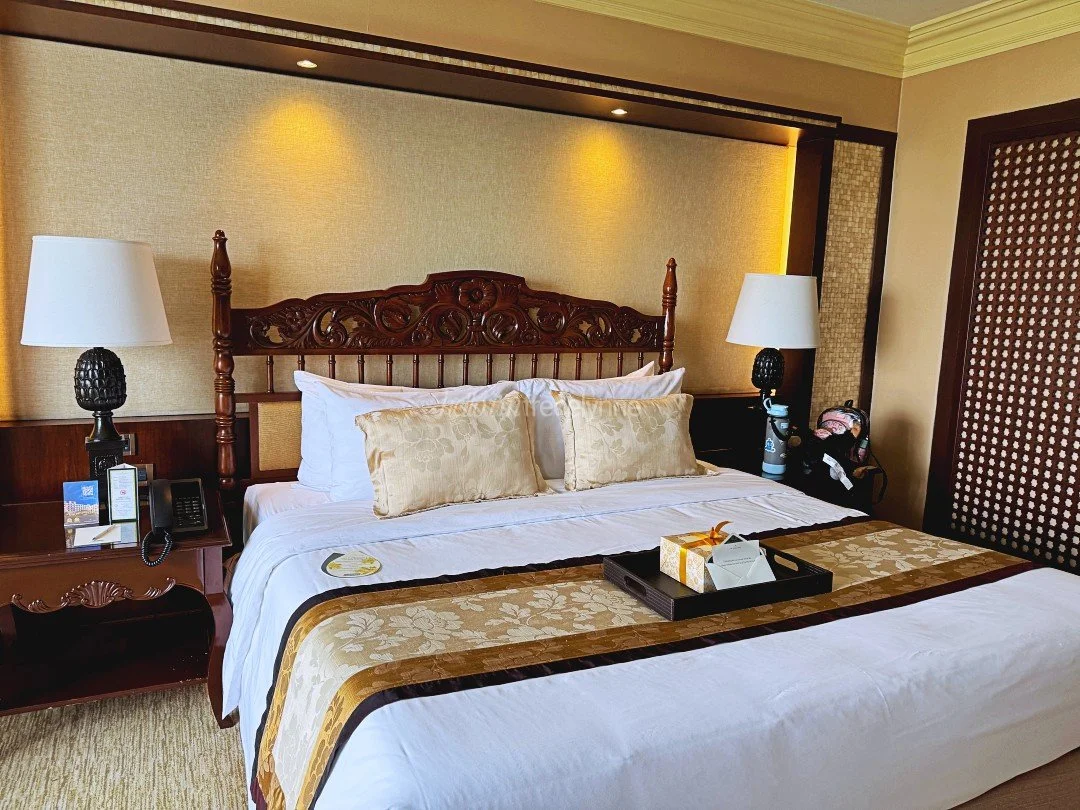
A 5-star hotel is the top official rating. It offers personalized service, large and elegant rooms, multiple restaurants, a full spa, and staff available around the clock. Five-star hotels anticipate what you need before you ask, from remembering your preferences to arranging private transfers.
Design, service, and detail define this level. Staff-to-guest ratios are high, and many properties offer butler service in suites. Dining often includes award-winning restaurants. Every room detail is considered, from pillow menus to nightly turndown service.
What to expect:
Large rooms and suites with premium bathrooms and toiletries
Nightly turndown service
24-hour room service and concierge
Butler service at many properties
Multiple fine dining restaurants and bars
Full-service spa, pools, and fitness facilities with trainers
Private transfers, personal shopping, and tailored experiences
Best for: Honeymoons, milestone celebrations, and travelers who want the highest level of service.
Hotel examples:
Burj Al Arab Jumeirah, Dubai
Regent Hong Kong
Bvlgari Hotel Tokyo
Emirates Palace Mandarin Oriental, Abu Dhabi
The last three joined Forbes Travel Guide's Five-Star list in 2026. Forbes' 2026 awards recognized 343 Five-Star hotels, and Macau holds the most of any destination with 28.
Frequently Asked Questions
What does a 7-star hotel mean?
A 7-star hotel is not an official rating. No government or recognized rating body awards more than 5 stars. The term spread after media described the Burj Al Arab in Dubai as "7-star" when it opened in 1999, though the hotel is officially rated 5 stars. Today, "6-star" and "7-star" are marketing labels for hotels signaling luxury beyond standard 5-star service.
Some systems do recognize a level above standard 5 stars. Hotelstars Union uses "5-star Superior." France awards a "Palace" distinction to a small group of 5-star hotels that meet extra criteria. Some Asian markets use "5-star Deluxe." These are still 5-star ratings with an additional label.
Why does the same hotel show different star ratings on different websites?
Different websites pull star ratings from different sources. One site may show the official government rating, another may show the hotel's self-reported rating, and another may use its own internal criteria. A hotel in a country without an official system can appear as 4 stars on one site and 5 on another. Check where the rating comes from before booking.
Should you book by star rating or by guest reviews?
Use both. Star ratings tell you which facilities to expect. Guest reviews tell you whether the hotel delivers on them. A 3-star hotel with excellent reviews can offer a better stay than a 5-star with complaints about cleanliness or slow service. Filter by stars for the amenities you need, then read recent reviews.
Is a 5-star hotel the same everywhere in the world?
No. Each country or organization sets its own criteria, so a 5-star hotel in one country can offer more or less than a 5-star hotel in another. A 5-star in Germany follows Hotelstars Union rules. A 5-star in the United States may carry a Forbes rating instead. In countries without an official system, the rating may come from the hotel itself.
Can a hotel give itself a star rating?
In some places, yes. Countries without an official classification system leave hotels free to describe themselves however they want, and some booking sites display the rating a hotel submitted. This is why self-described "6-star" and "7-star" hotels exist. Look for ratings from a tourism authority, hotel association, or recognized guide like Forbes Travel Guide or AAA.
What is the difference between Forbes stars and official hotel stars?
Forbes Travel Guide focuses on service quality, judged by anonymous inspectors who stay as regular guests. Official government ratings lean more on facilities like room size, amenities, and dining. A hotel can hold 5 official stars and no Forbes rating. Forbes Five-Star is harder to earn, and only a few hundred hotels worldwide hold it.
Why do some good hotels have no star rating?
Star ratings are voluntary in many countries, and some hotels skip the process because of fees or inspection requirements that don't fit their property. Boutique hotels, design hotels, and vacation rentals often go unrated even when they're excellent. Some countries have no official rating system at all. Judge unrated hotels by recent guest reviews and photos.
Is a 4-star hotel good enough for a family vacation?
For most families, yes. A 4-star hotel usually has a pool, on-site restaurants, larger or connecting rooms, and staff who can arrange extra beds or cribs. That covers what most families need on a trip. A 5-star adds more personal service and polish, but many families find the extra cost isn't worth it for a short stay.
