Every time I visit a new place, I make it a point to check out its museums. For me, it's one of the most immersive ways to learn about a country's history, culture, and identity. So when we visited Vietnam, the Ho Chi Minh City Fine Arts Museum was on my list.
This guide covers our experience, a bit of background on the building, what you'll find on each floor, and the practical details you need before you go. If you're building a list of museums in Ho Chi Minh City, this one deserves a spot, as long as you go in with the right expectations.
Our Experience at Ho Chi Minh City Fine Arts Museum
After breakfast at Bo Ne Ba Nui, we headed straight to the museum and arrived around 9 in the morning. Vietnam is a tropical country, so you already know what that means. It was hot and very humid.
I hadn't done any research before going, so I walked in without expectations. The first thing that caught my attention was the building itself. It's stunning. It has stained glass windows, patterned tiles, elegant staircases, and courtyards that make you slow down and look around. Honestly, the architecture is a reason to visit on its own.
The collection gives you a good look at Vietnamese art across different periods. You'll see modern paintings, lacquer works, wartime sketches, sculptures, and ancient artifacts. Many of the pieces carry war themes, which is something you'll notice in most museums around Vietnam. It's clear how deeply that period shaped Vietnamese society, and seeing it through art hits differently than reading about it.
Take your time in Building 1 and look out for Nguyen Gia Tri's Spring Garden of North, Central and South. It's one of the highlights of the collection.

What to See on Each Floor at Ho Chi Minh City Fine Arts Museum
The museum has sixteen showrooms spread across three floors. Here's what you can expect, so you can plan where to spend most of your time.
First Floor: Rotating and Temporary Galleries
This floor hosts changing contemporary art exhibitions, special collections, and cultural events. During our visit, it featured modern art from after 1975, so what you see here depends on when you go.
Second Floor: Modern and Contemporary Paintings
This is the permanent fine arts collection. It covers Southern Vietnamese paintings from the 18th to 20th century, works from the early 20th century up to 1975, and contemporary pieces from 1975 to the present. You'll find lacquerware, silk paintings, resistance sketches from the war, national treasures, and works by foreign artists.
Third Floor: Antiquities and Historical Artifacts
This floor focuses on older pieces, including bronze Hindu and Buddhist sculptures from the 4th to 11th century, Champa stone and terracotta art from the 7th to 14th century, Central Highlands tomb statues, and ceramics dating from the 11th to 20th century.
If you only have an hour, I'd spend most of it on the second floor. That's where you'll get the clearest picture of how Vietnamese art changed over time.
Ho Chi Minh City Fine Arts Museum Gallery


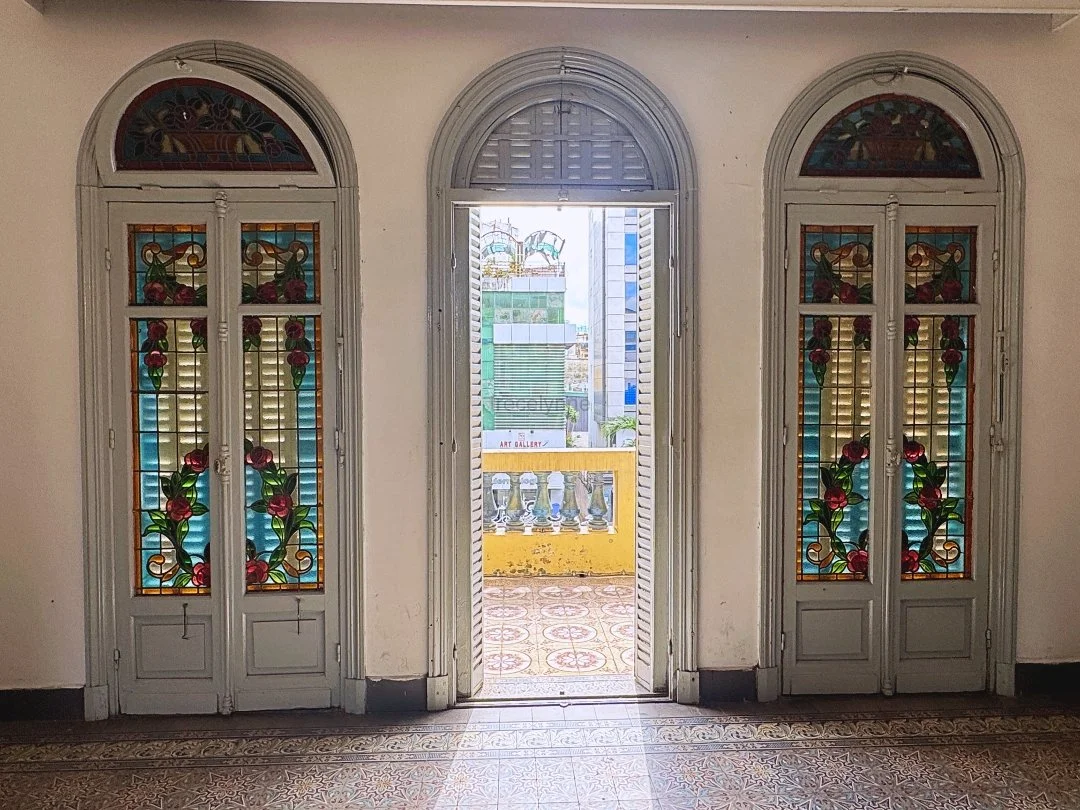

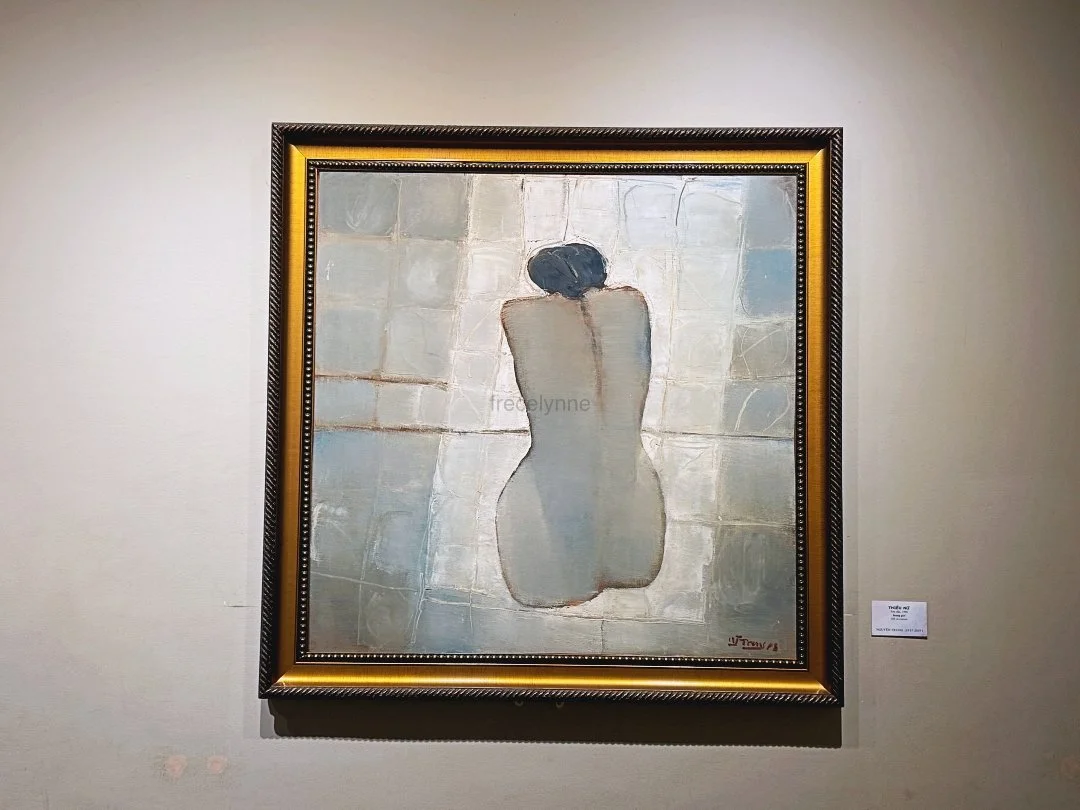

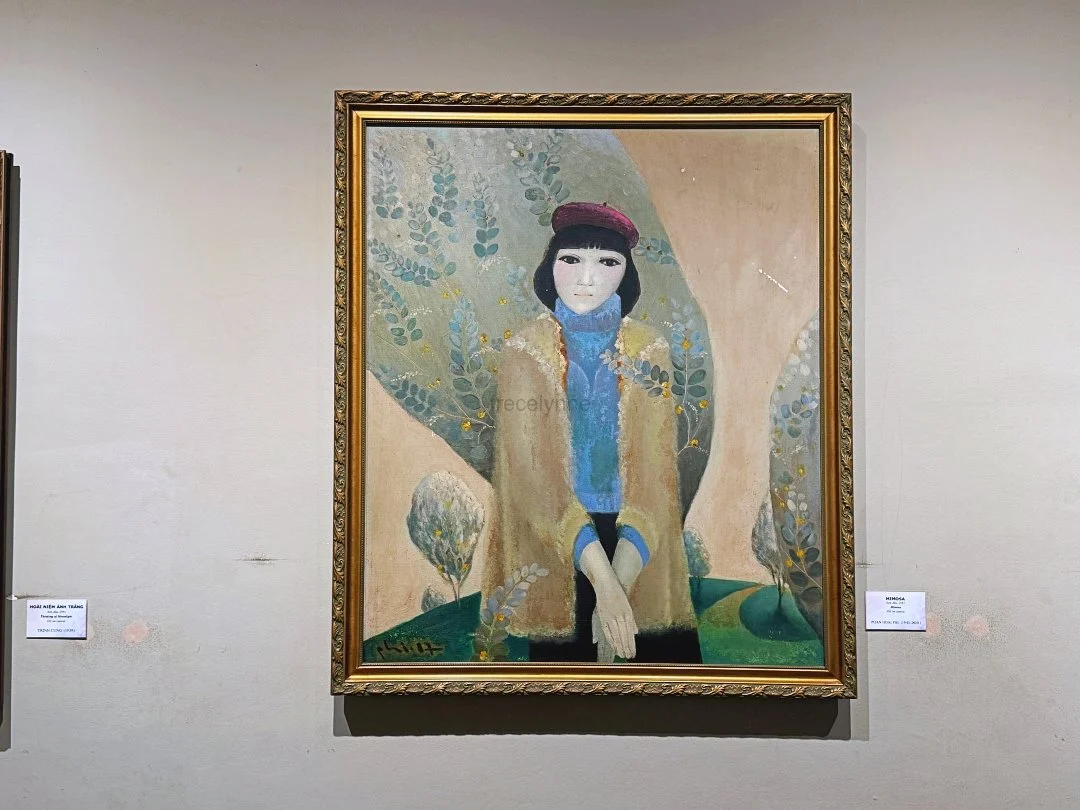


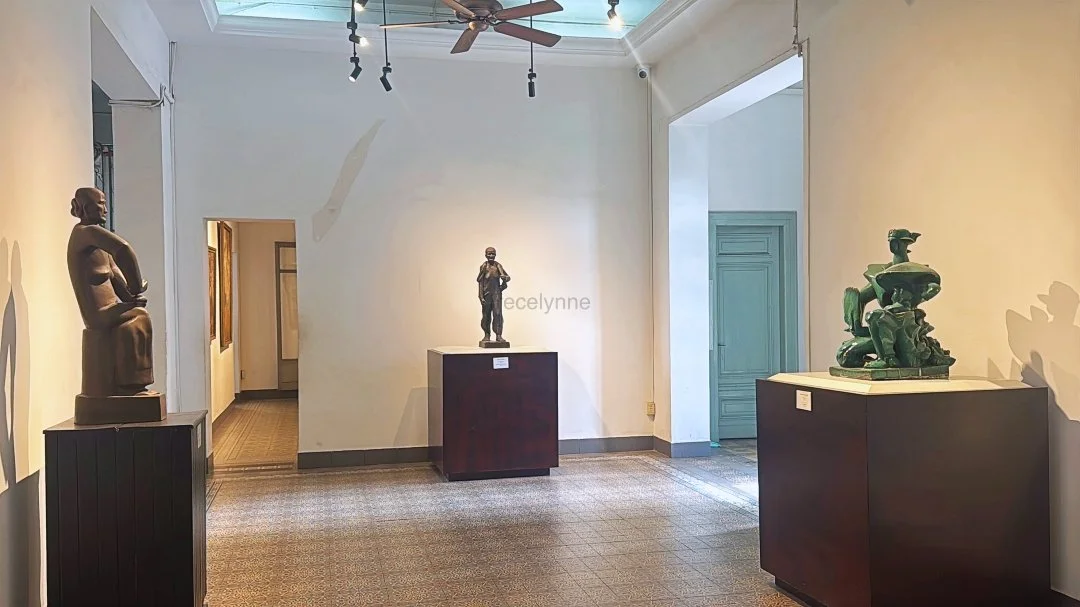


Now for the honest part. I left disappointed.
The collection isn't as large as other fine arts museums I've visited, and it doesn't feel like a modern, comprehensive art museum. What bothered me most was the condition. Most of the rooms don't have air conditioning, and many paintings hang in spaces exposed to heat and humidity. Only a few areas are air conditioned. Given the local climate, I found that hard to understand if the goal is to preserve the art.
I know the ticket is cheap, but I'd gladly pay more to see these works properly cared for. Right now, the museum feels like a missed opportunity. The building and the collection deserve better.
Would I still tell you to go? Yes, if you love architecture, want context on Vietnamese art history, or you're already exploring the city center. Just manage your expectations and dress for the heat.
About the Ho Chi Minh City Fine Arts Museum

The Ho Chi Minh City Fine Arts Museum is the most well known art museum in the city. It sits right in the heart of Ho Chi Minh City and draws both local and foreign visitors who come for the architecture as much as the collection.
The museum is a restored three story home built in art deco style. It blends European and Asian design, and the building is beautiful enough to count as part of the art on display.
A Brief History
The building originally belonged to Hua Bon Hoa, a Chinese born trader who was one of Southern Vietnam's wealthiest businessmen during the colonial era. He also owned several other well known buildings in Saigon, including Tu Du Hospital, the Majestic Hotel, and the Ho Chi Minh City Emergency Center.
Here's how the building became a museum:
1929: French architect Rivera designed the building, combining French and Chinese architectural styles
1934: Construction was completed
1987: The City People's Committee converted the building into the Ho Chi Minh City Fine Arts Museum
1992: The museum officially opened
Tips Before You Visit Ho Chi Minh City Fine Arts Museum
Go early in the morning, when it's a little cooler
Wear light, breathable clothes since most rooms aren't air conditioned
Bring water and a small fan or handkerchief
Give yourself time to walk around the courtyards and staircases for photos
Pair your visit with other museums and landmarks in District 1 to make the most of your day
Ho Chi Minh City Fine Arts Museum Tickets and Rates

Entrance to the Ho Chi Minh City Fine Arts Museum is affordable. Bring cash in Vietnamese dong. It's the easiest way to pay at the ticket counter.
Adults: 30,000 VND (around 1.15 USD)
Students: 15,000 VND (bring your student card)
Ho Chi Minh City Fine Arts FAQs
Is the Ho Chi Minh City Fine Arts Museum worth visiting? It depends on what you're looking for. If you love architecture and want an introduction to Vietnamese art history, it's worth a short visit. If you expect a modern, climate controlled gallery with a massive collection, you may leave disappointed like I did.
How long should I spend at the museum? One to two hours is enough to see all three floors at a comfortable pace.
Is the museum air conditioned? Only a few areas have air conditioning. Most rooms rely on open windows and natural ventilation, so expect it to be warm and humid inside.
What is the best time to visit? Go right when it opens at 8 in the morning. It's cooler, and you'll have more space to take photos of the building.
Can I take photos inside? We took photos of the building and courtyards during our visit. Check the signs in each gallery, since rules for specific exhibits can change.
Is it kid friendly? It works for older kids who enjoy art or history. Younger kids may get restless in the heat, so plan a shorter visit if you're bringing little ones.
Ho Chi Minh City Fine Arts Contact Information
Address: 97A Pho Duc Chinh Street, Ho Chi Minh City, Vietnam
Opening Hours: 8:00 AM to 5:00 PM daily
Entrance Fee: 30,000 VND for adults, 15,000 VND for students
Opening hours and fees can change, so double check before your visit, especially around Vietnamese holidays.