Ho Chi Minh City has plenty of museums worth visiting, especially if you want to learn more about Vietnam’s history, culture, and development. One of the places we visited during our trip was the Museum of Ho Chi Minh City, a historic museum housed in the former Gia Long Palace.
We went to the Museum of Ho Chi Minh City because we were curious about the city’s past and wanted to see more than the usual tourist attractions. The museum covers a wide range of topics, from archaeology and geography to traditional culture, education, revolutionary history, and Vietnamese currency.
Our Experience at the Museum of Ho Chi Minh City
We visited the Museum of Ho Chi Minh City after spending some time at Saigon Central Post Office and Book Street.
From the area around Book Street, we walked to the museum. The distance was approximately 650 meters, which took us around nine minutes.
Despite visiting in the afternoon, I actually found the walk quite manageable. The sidewalk was clean and spacious, and there were no major obstructions along the way. It was also easy to walk around the area.
We arrived at around 1 PM. This was when we discovered one important thing that we had not expected. The museum does not have air-conditioning.
The museum was extremely hot during our visit. There were only a few fans, so if you are sensitive to heat, this is something you should prepare for. I recommend bringing water and wearing comfortable, breathable clothes, especially if you are visiting during the warmer part of the day.
The building itself is beautiful and has plenty of architectural details worth looking at. The museum is housed in a historic building that was originally constructed during the French colonial period.
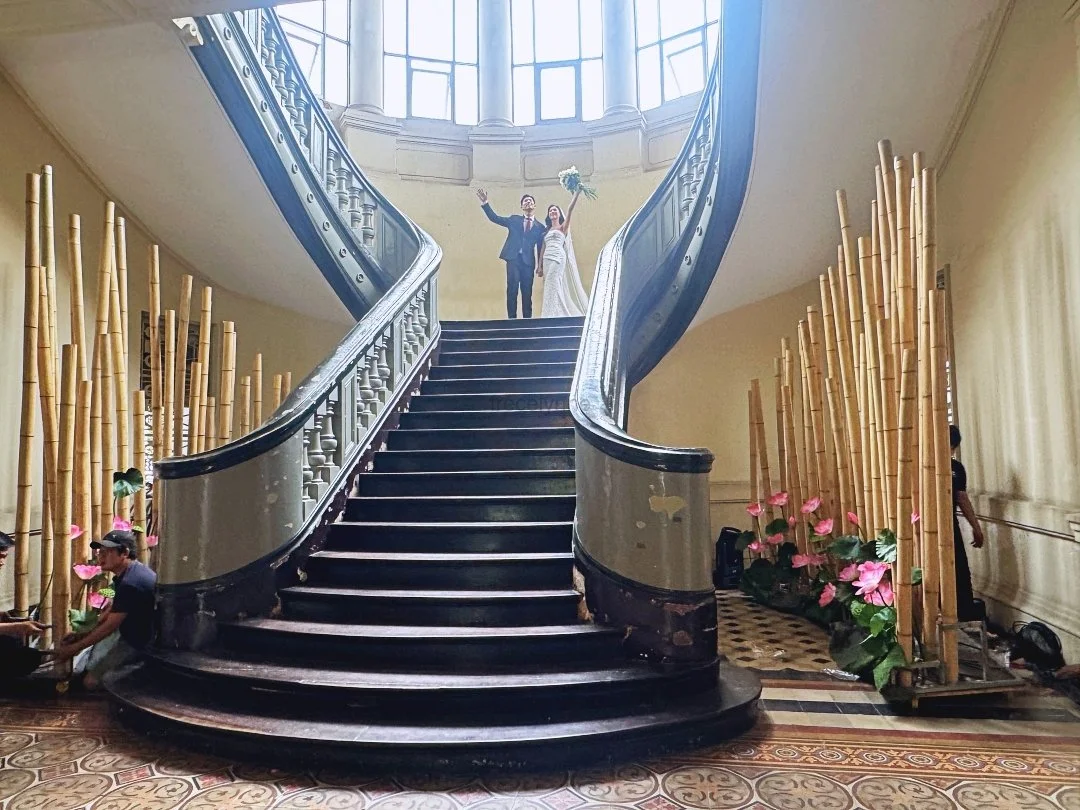
During our visit, we also saw several photographers taking wedding photos and other photoshoots around the property.
As for the exhibitions, I found the museum interesting because of the range of topics covered. You can learn about the city’s geography, archaeology, traditions, education, arts, and history in one visit.
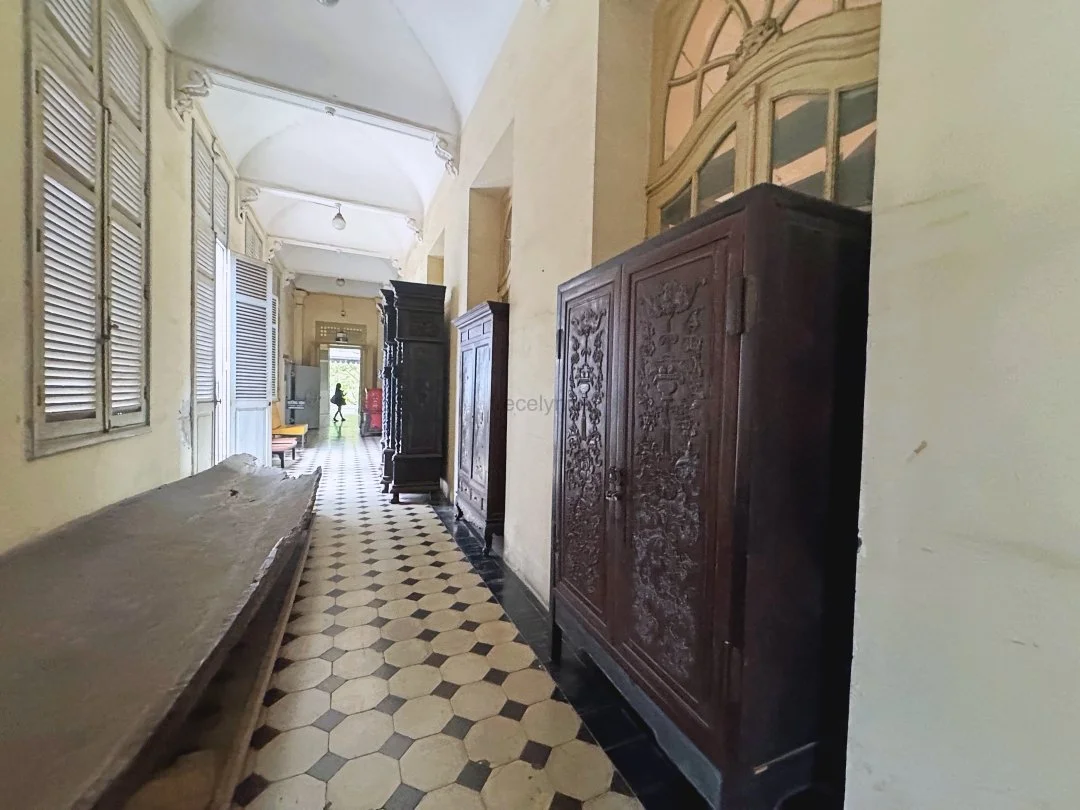
At the same time, some rooms felt empty and some exhibits lacked enough descriptive information. We also came across an exhibition that was entirely in Vietnamese without English translations, which made some sections difficult to understand as an international visitor. The maintenance of some areas could also be improved.
Still, I enjoyed seeing the artifacts and learning more about Ho Chi Minh City beyond the modern streets and tourist attractions. The museum gives you a different perspective of the city and the people who shaped its history.
What Can You See Inside the Museum of Ho Chi Minh City?
There are several exhibitions to explore inside the museum. Depending on your interests, you can spend time learning about the natural environment, archaeology, traditional customs, architecture, education, art, and the city’s political and historical development.
Some of the main things to see include:
Nature and Archaeology
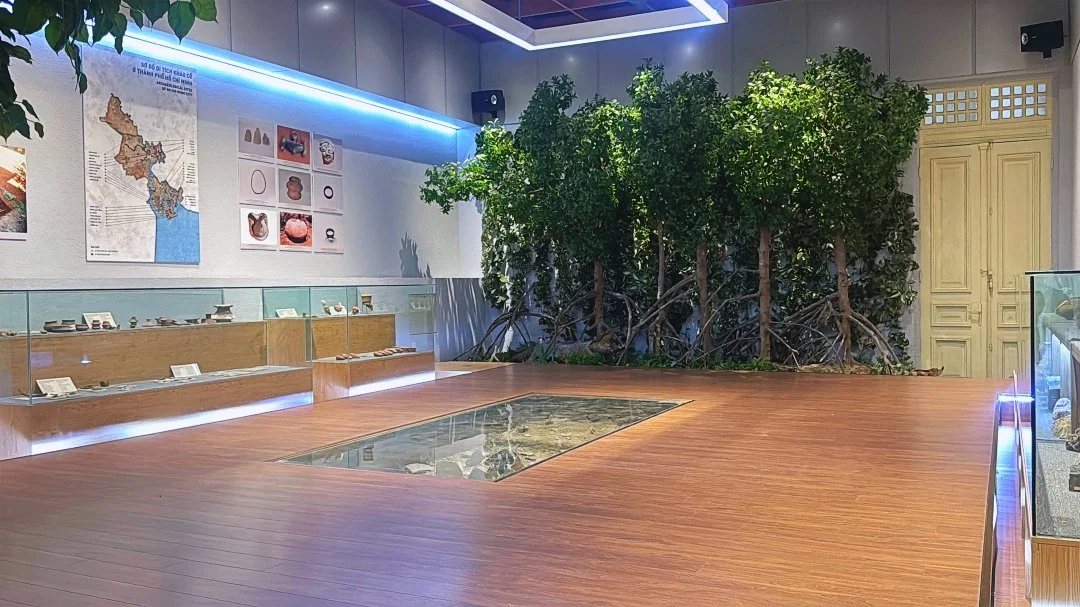
This section introduces the geography, climate, geology, waterways, plants, animals, and archaeological history of Ho Chi Minh City. The museum presents information about the city’s three main types of terrain: hilly areas, flat areas, and mangrove terrain. The archaeology section features artifacts connected to ancient settlements in the region. Some archaeological sites represented in the exhibition date back thousands of years.
It also displays about the Can Gio mangrove forest. Can Gio was recognized by UNESCO as Vietnam’s first World Biosphere Reserve in 2000. The exhibition shows how the area changed over time and highlights some of its plants and animals.
Administrative Geography of Ho Chi Minh City
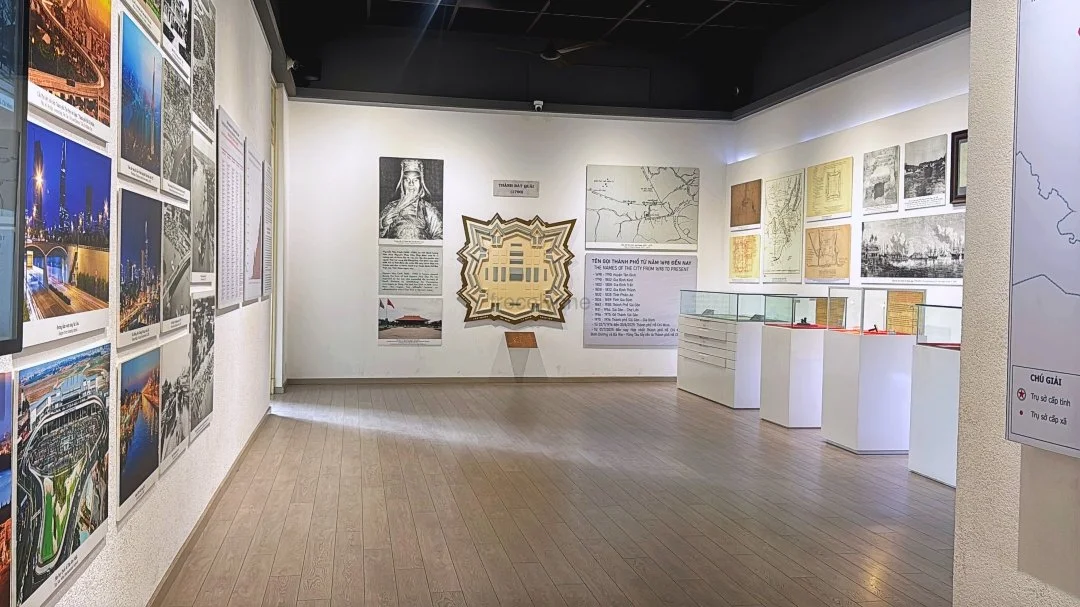
This exhibition looks at how Saigon and Ho Chi Minh City developed over different historical periods.
Maps, photographs, charts, and models help explain the city’s growth beginning from 1698, when Nguyễn Hữu Cảnh was sent to the southern region to establish administration.
One of the notable artifacts is a bronze seal associated with General Lê Văn Duyệt.
Culture of Saigon and Ho Chi Minh City
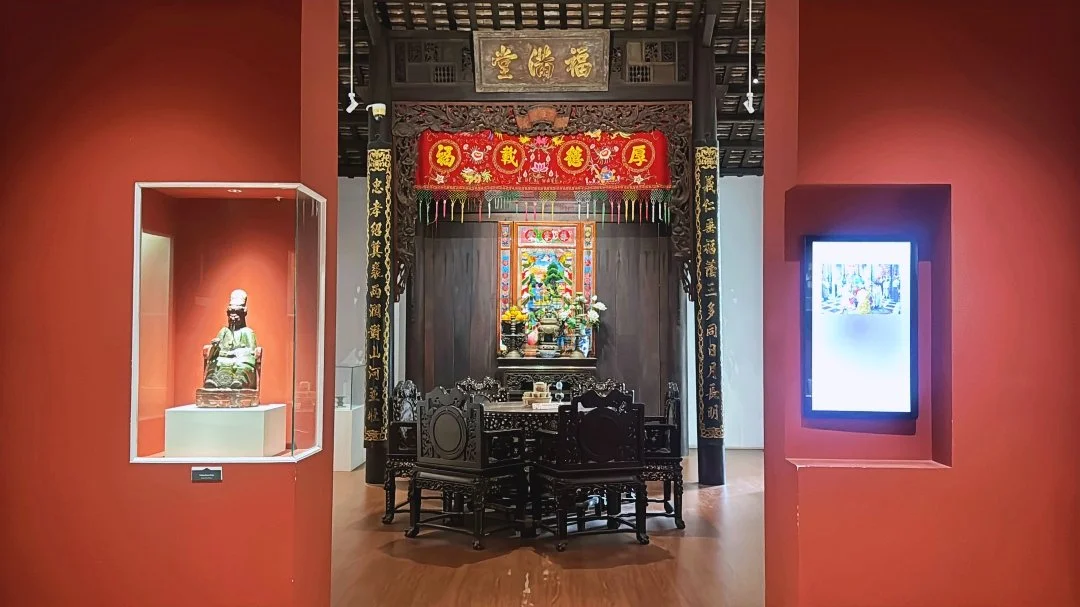
This section focuses on customs, beliefs, education, and traditional arts.
The wedding customs display includes traditional jewelry, marriage certificates, wedding attire, and objects used during ceremonies.
You can also learn about beliefs such as Mother Goddess worship, the worship of the Earth God and God of Wealth, and village guardian deities.
Traditional Arts
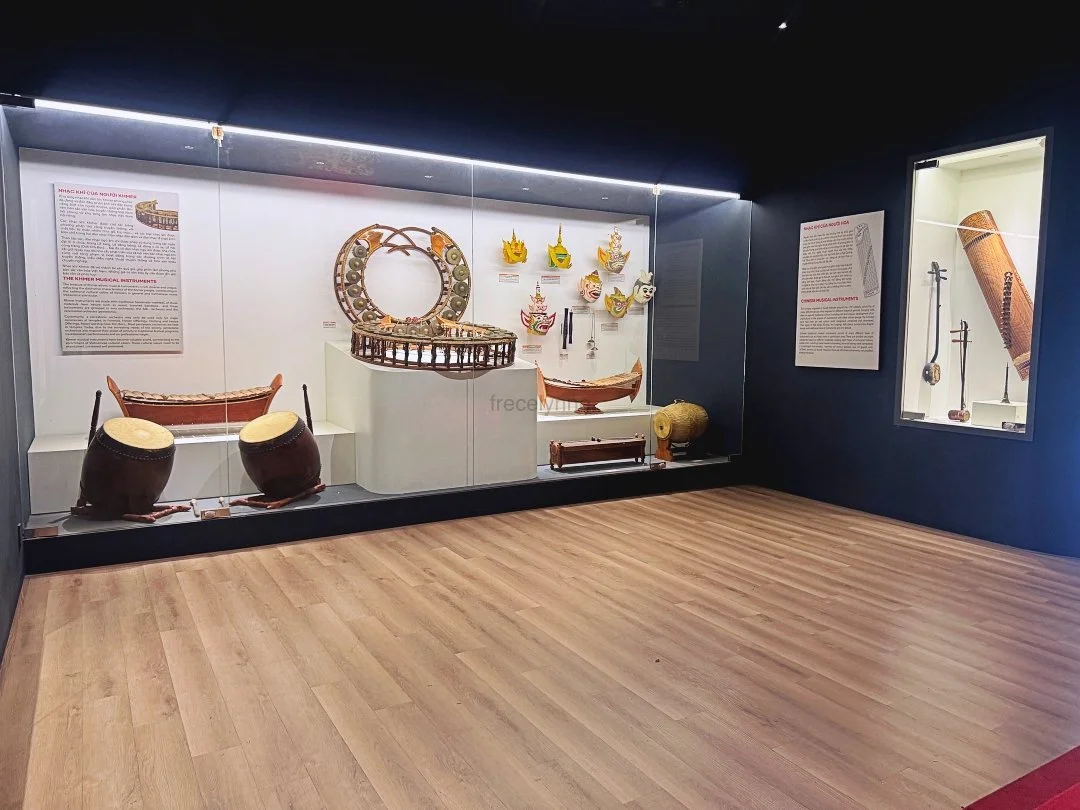
The museum introduces traditional Southern Vietnamese performing arts such as Hát Bội and cải lương.
There are also displays related to Khmer musical traditions and instruments.
Education
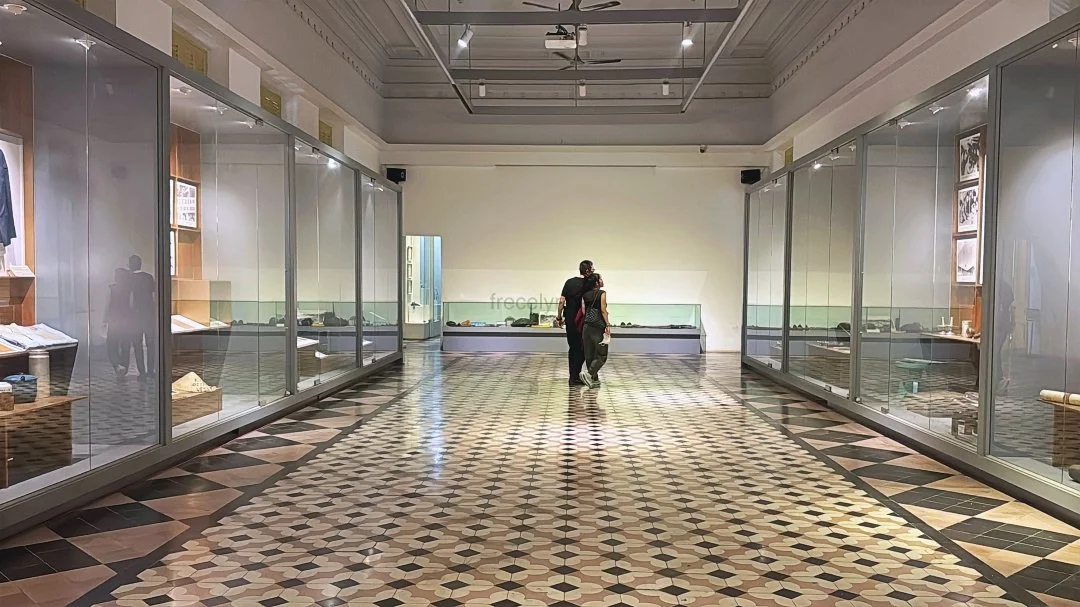
The education section looks at the development of education in Saigon and the spread of Quốc ngữ, the Vietnamese writing system based on the Latin alphabet.
The exhibition also includes information about schools, teachers, newspapers, and education during different periods of the city’s history.
Revolutionary History and War Artifacts
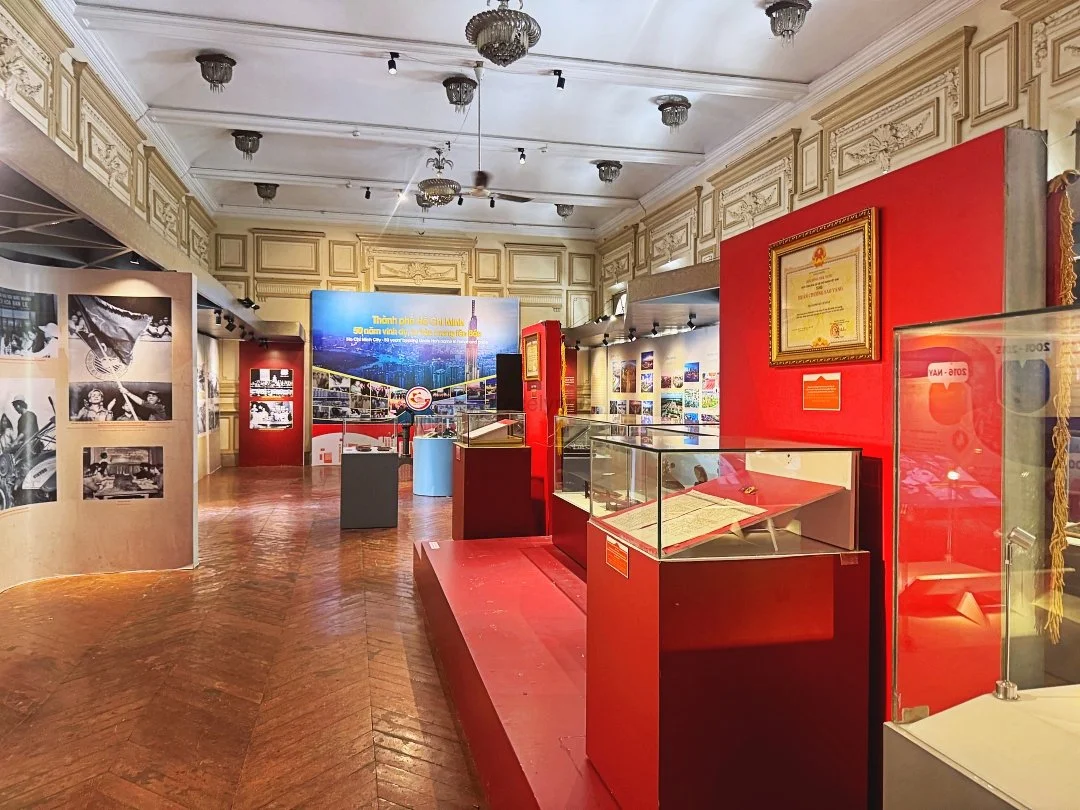
The museum has extensive displays related to Vietnam’s revolutionary history and wars.
The exhibitions cover periods from 1930 to 1954 and from 1954 to 1975.
Artifacts include photographs, documents, newspapers, military equipment, personal belongings, resistance badges, musical instruments, sketches, and other objects connected to the period.
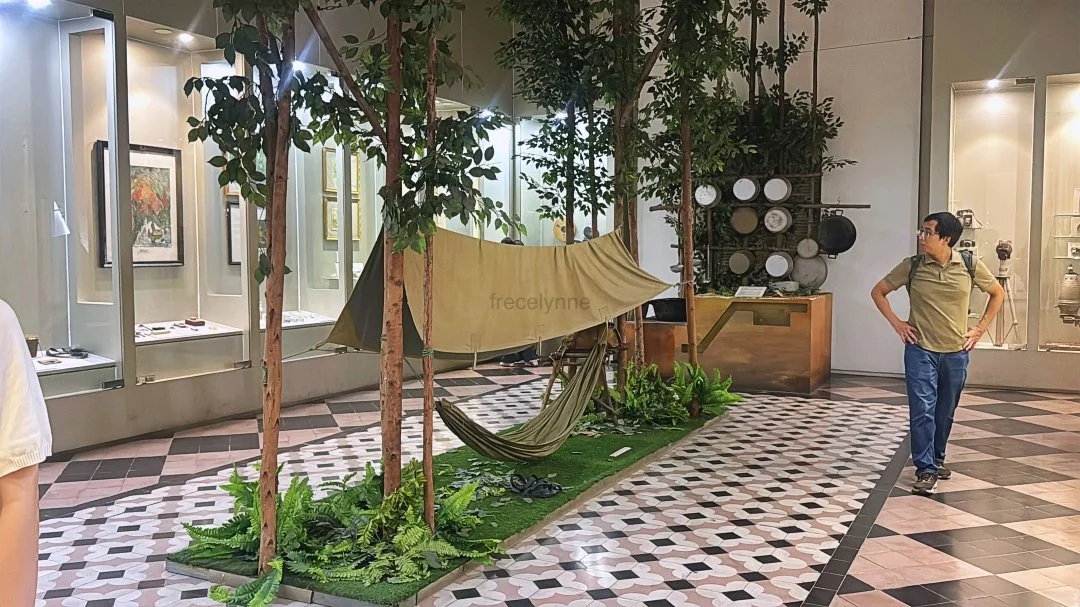
Some displays provide a personal look at the people who lived through these periods.
Vietnamese Currency
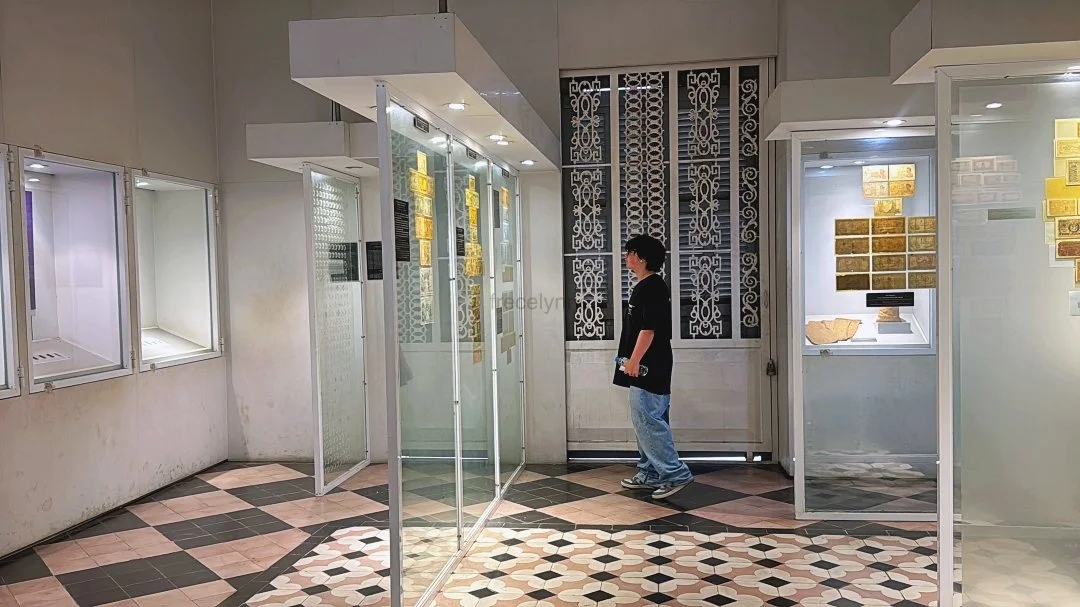
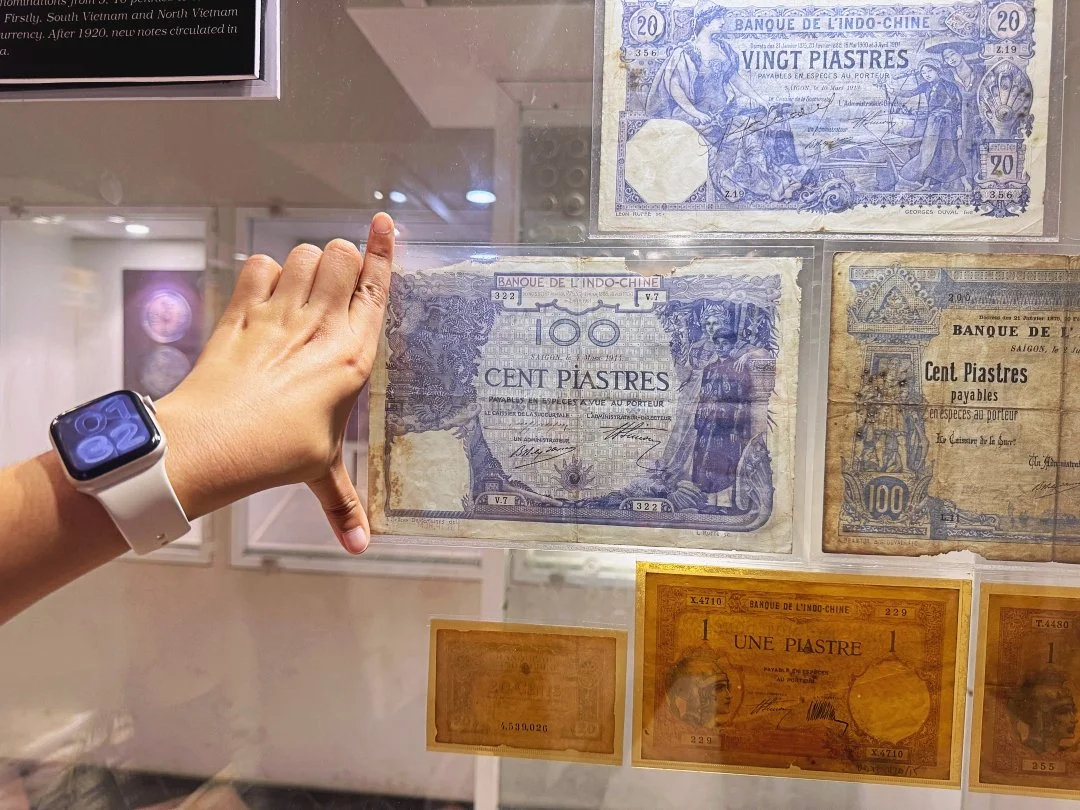
Another section traces Vietnamese currency from the 10th century to the present.
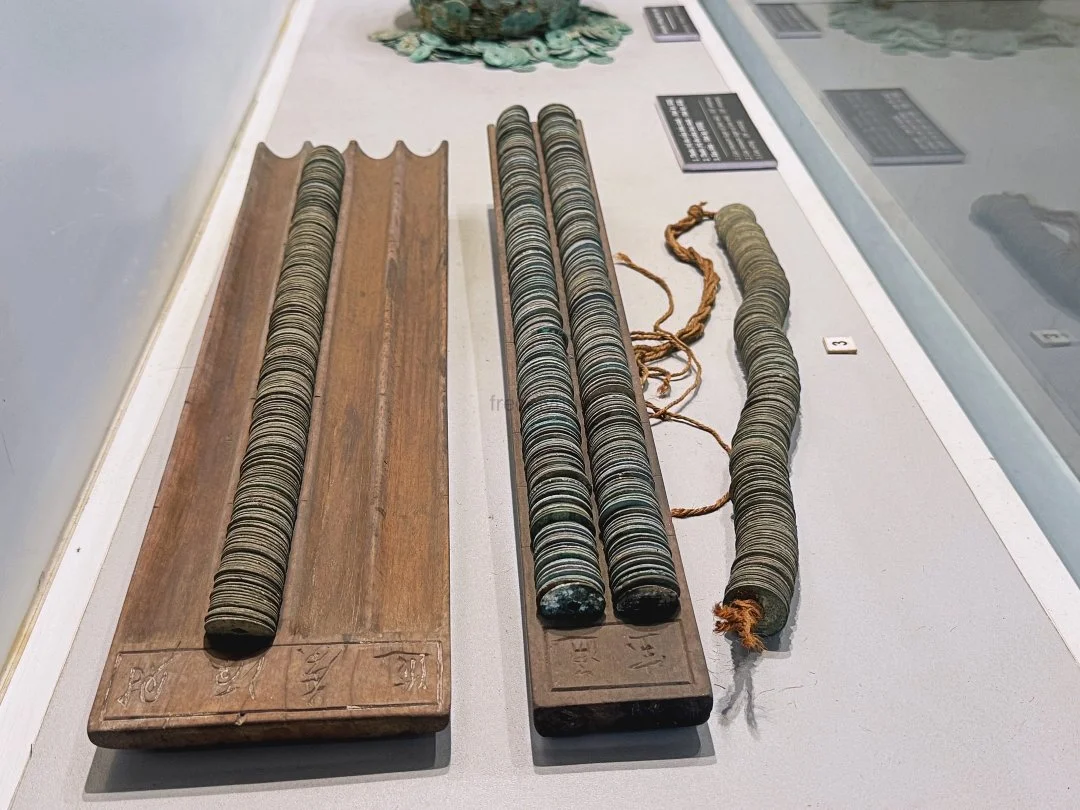
The exhibition explains how coins developed alongside the country’s political and economic history.
About the Museum of Ho Chi Minh City
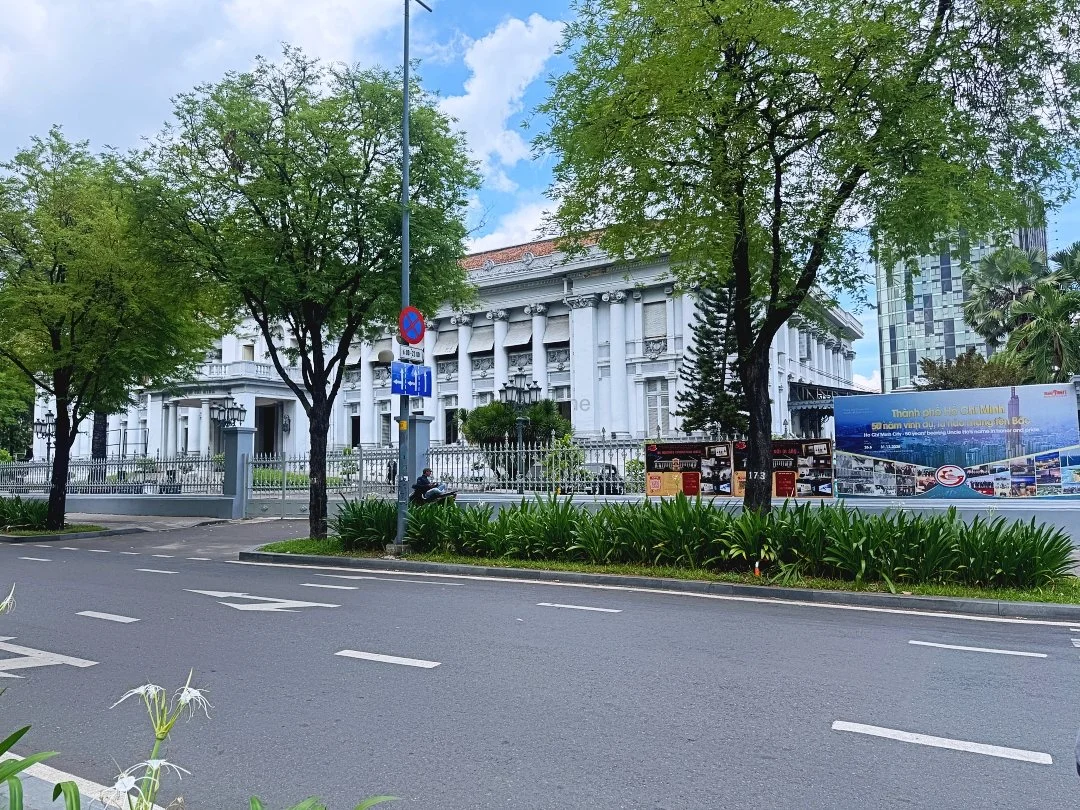
The Museum of Ho Chi Minh City, or Bảo tàng Thành phố Hồ Chí Minh in Vietnamese, is housed in a historic building formerly known as Gia Long Palace.
The building itself has a long history. Construction began in 1885, and the mansion was completed in 1890. During the French colonial period, the building served as the residence and workplace of the Governors of Cochinchina.
Over the following decades, the building served different political and administrative functions. From 1954 to 1962, it was known as Dinh Gia Long and served as a presidential office before the completion of Independence Palace. From 1962 to 1975, the building was used as the Senate House of the Republic of Vietnam. After 1975, the building was gradually converted into a place for preserving and displaying historical records related to the city.
Today, the museum covers different aspects of Ho Chi Minh City’s history and culture.
The architecture is also part of the experience. The building was designed by French architect Alfred Foulhoux and constructed between 1885 and 1890. Its design combines European architectural influences with details inspired by East Asian forms.
The large façade, columns, decorative carvings, and roof details make the building worth seeing even before you enter the exhibitions.
Museum of Ho Chi Minh City Tickets and Rates
The entrance fee is 30,000 VND for adults.
Students with a valid ID can enter for 15,000 VND.
During our visit, the museum accepted QR code payments, which was helpful because I did not have enough cash.
Credit and debit cards were not accepted during our visit.
QUICK TIP: Bring Vietnamese cash or make sure you have access to a local QR payment option before visiting. Payment options can change, so I recommend checking with the museum before your trip.
FAQs About the Museum of Ho Chi Minh City
Where is the Museum of Ho Chi Minh City? The museum is located at 65 Ly Tu Trong Street in Ho Chi Minh City. From Saigon Central Post Office and Book Street, you can walk to the museum in around nine minutes.
How much is the entrance fee? The entrance fee is 30,000 VND for adults and 15,000 VND for students with ID, based on the information available for our visit.
How long should you spend at the museum? I would set aside at least one to two hours if you want to look through the exhibitions without rushing. If you enjoy museums and history, you can easily spend longer because there are several sections to explore.
Is the Museum of Ho Chi Minh City air-conditioned? No. During our visit, the museum was not air-conditioned and relied on fans. The afternoon was extremely hot, so plan your visit accordingly.
Does the museum accept credit cards? During our visit, credit and debit cards were not accepted. The museum did accept QR code payments at the time, but I recommend bringing cash as a backup.
Is there English information inside the museum? Some displays provide useful information, but we also encountered an exhibition that was entirely in Vietnamese without English translation. If you want to understand every section, having a translation app ready can help.
Is the Museum of Ho Chi Minh City worth visiting? For me, the museum was worth visiting because it gave us a broader look at Ho Chi Minh City’s history and culture. The museum has some areas that could use better maintenance and more detailed English descriptions, but the historic building, artifacts, and range of exhibitions still made the visit worthwhile for us. If you enjoy history, architecture, archaeology, and culture, I would add this museum to your Ho Chi Minh City itinerary.
Museum of Ho Chi Minh City Contact Information
Address: 65 Ly Tu Trong Street, Saigon Ward, Ho Chi Minh City, Vietnam
Opening Hours: 8:00 AM to 5:00 PM daily
Phone: 028.38.299.741, extension 109
Email: baotangtphcm@gmail.com
Website: hcmc-museum.edu.vn