Singapore's North-East Region covers Ang Mo Kio, Hougang, North-Eastern Islands, Punggol, Seletar, Sengkang, and Serangoon. The area is known for its residential towns, waterfront parks, wetlands, and community spaces.
Before the 1970s, much of the region consisted of kampongs, farms, plantations, and fishing villages. Over the years, the Housing and Development Board transformed these rural areas into residential towns with high-rise flats, shopping centers, schools, parks, and public transport.
Older towns like Ang Mo Kio and Hougang follow traditional HDB planning, while newer developments in Sengkang and Punggol feature waterfront living, park connectors, and light rail networks. Punggol was also developed as Singapore's first eco-town, with green spaces and a man-made waterway at its center.
For tourists, the North-East Region provides a look at everyday life outside Singapore's central districts. Its main attractions include Punggol Waterway Park, Coney Island Park, Sengkang Riverside Park, and Lorong Halus Wetland. You'll also find local shopping centers, hawker centers, and residential neighborhoods worth exploring.
As a Filipino traveler familiar with densely populated communities and new town developments, I found the region interesting for its approach to housing and urban planning. The newer towns feel organized, with homes connected to parks, shopping areas, and public transport. The extensive waterways and green spaces also provide room for outdoor activities.
This guide covers 18 places to visit in Singapore's North-East Region, from Punggol's waterfront attractions to Sengkang's parks, older residential towns, and nature areas.
Plan one full day for the main highlights. Visit Punggol Waterway Park and Coney Island in the morning, explore Sengkang Riverside Park in the afternoon, then head to Chomp Chomp Food Centre for dinner.
1. Punggol Waterway Park
📍 Sentul Crescent, Singapore 828654
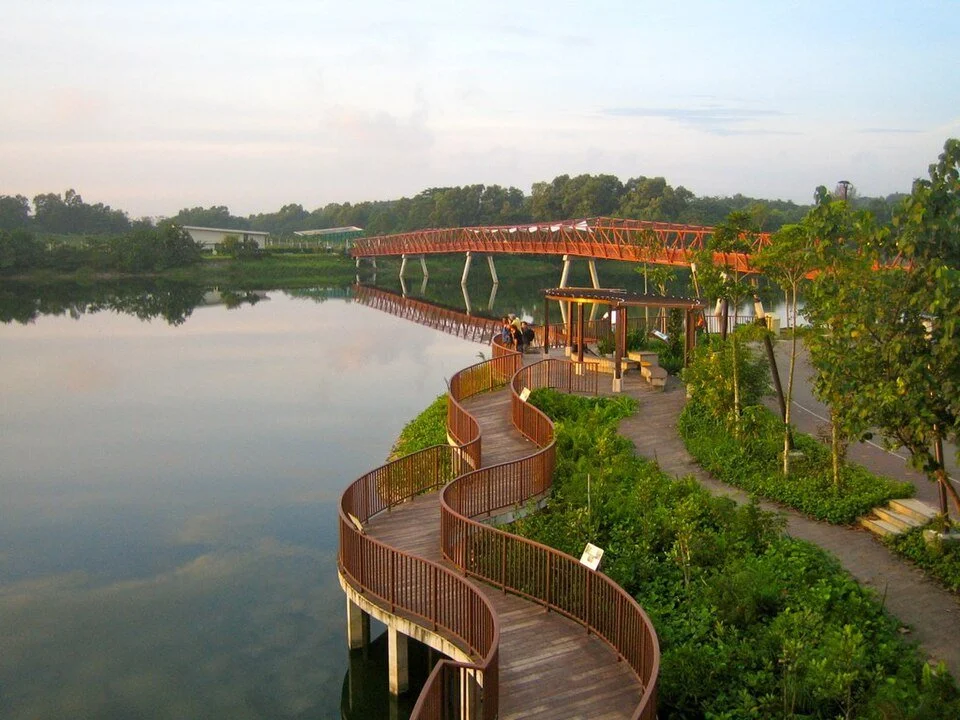
Punggol Waterway Park is a 12.5-hectare park built along a 4.2-kilometer man-made waterway. The park has four themed zones: Nature Cove, Recreation Zone, Heritage Zone, and Green Gallery. Visitors can enjoy landscaped gardens, playgrounds, water play areas, fitness equipment, and displays about Punggol's transformation from a rural village into a modern town.
The park also connects to nearby cycling and walking paths, making the area popular with families and outdoor enthusiasts.
Quick Tip:
Visit in the late afternoon for cooler temperatures and sunset views. Rent a bicycle if you want to explore the surrounding park connectors.
2. Coney Island Park

📍 Punggol Promenade, Singapore 828766
Coney Island Park is a 50-hectare offshore island with coastal forests, grasslands, beaches, and wetlands. Formerly known as Pulau Serangoon, the island opened as a public park in 2015.
Its trails pass through different natural habitats where visitors may see long-tailed macaques, wild boars, monitor lizards, and various bird species. The island has a rustic setting, with limited visitor facilities and beach areas overlooking the Johor Strait.
Quick Tip:
Bring water, snacks, sunscreen, and insect repellent. Facilities are limited, so visit early in the morning or late afternoon to avoid the heat.
3. Punggol Promenade and Punggol Beach

📍 Punggol Promenade along Punggol Point, Singapore
Punggol Promenade is a waterfront walkway with boardwalks, viewing platforms, fishing areas, and coastal trails. The Punggol Promenade Nature Walk stretches 2.4 kilometers and provides views of the area's coastal habitats.
Nearby Punggol Beach has sandy shores and views across the Johor Strait. The Punggol Settlement, located close to the promenade, has restaurants and seafood eateries in buildings inspired by traditional fishing villages.
Quick Tip:
Combine the promenade with Coney Island, as both are near Punggol's northeastern tip. Visit around sunset and consider dining at Punggol Settlement afterward.
4. Punggol Digital District
📍 Punggol Central, Singapore
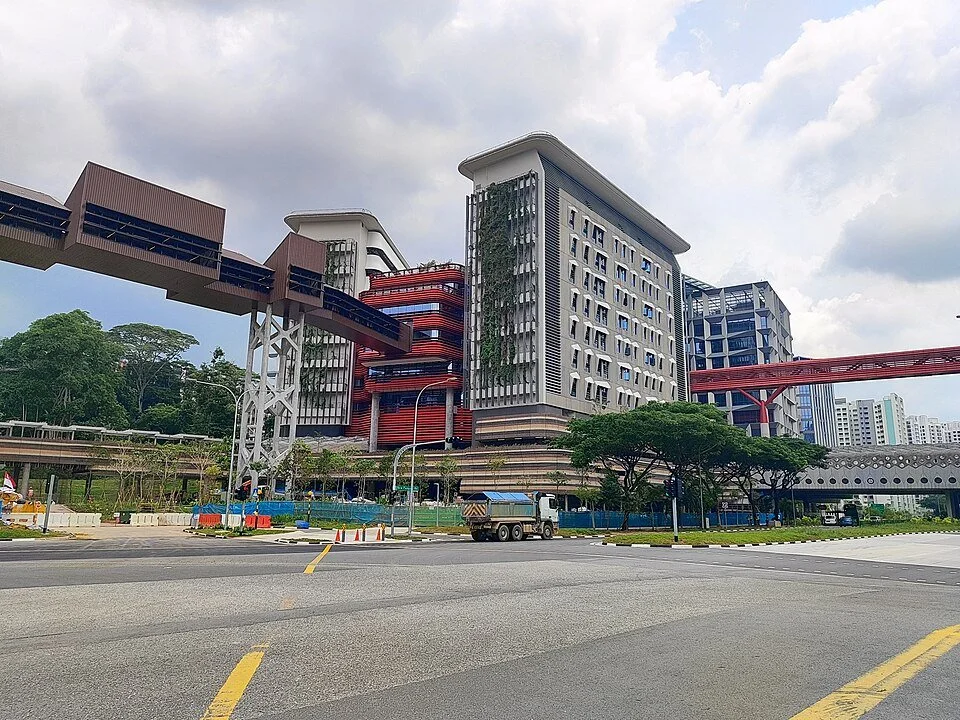
Punggol Digital District is a business and technology hub developed beside Punggol town center. The project aims to bring companies in cybersecurity, artificial intelligence, robotics, fintech, and other digital industries into the residential district.
The development also includes the Singapore Institute of Technology campus, connecting education, research, and industry within the area.
Quick Tip:
The district is still under development, so some areas may not be accessible. The completed sections provide a look at Singapore's plans for integrating workplaces and residential communities.
5. Waterway Point Shopping Mall
📍 83 Punggol Central, Punggol Waterway Terraces, Singapore 828761
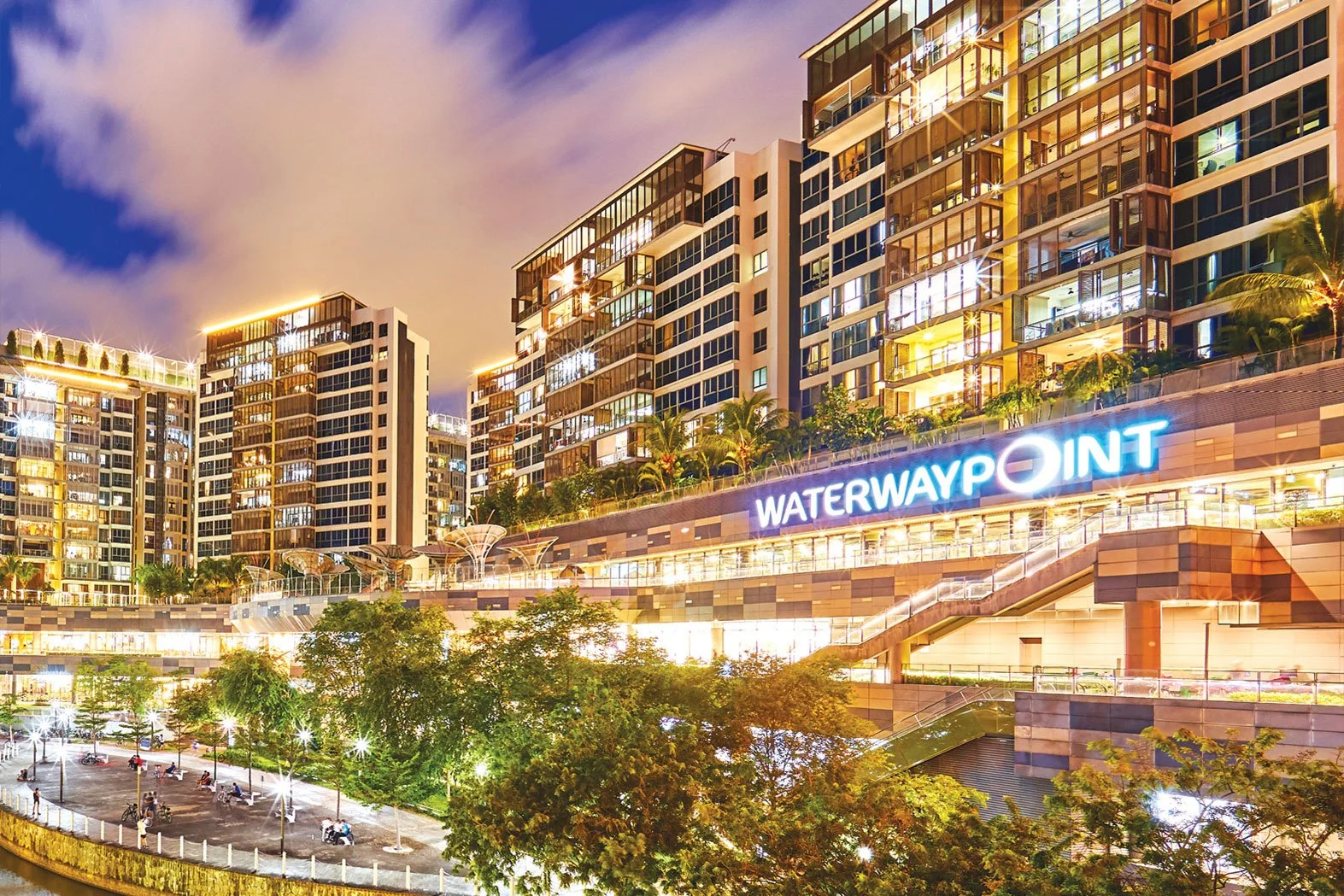
Waterway Point is Punggol's main shopping mall, with around 200 retail stores, restaurants, a cinema, and community facilities. Connected directly to Punggol MRT station, the mall serves as the town's main commercial center.
The mall has shopping and dining options for residents, along with views of the surrounding waterway from selected areas.
Quick Tip:
Stop by for lunch, shopping, or an air-conditioned break while exploring Punggol.
6. Punggol Park and Punggol Point Park
📍 Punggol Park: Hougang Avenue 10, Singapore 538768
📍 Punggol Point Park: Punggol Point, Singapore 828766
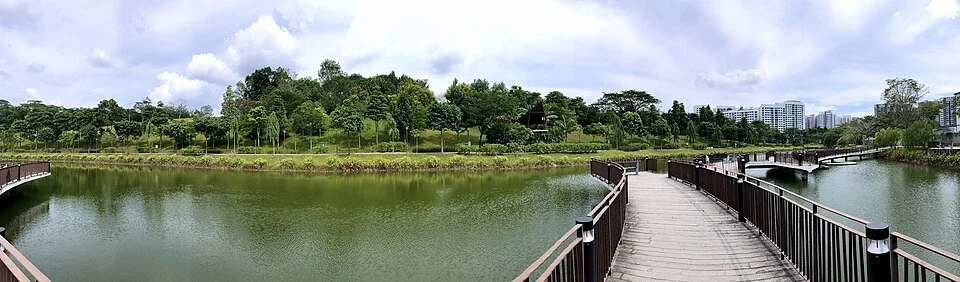
Punggol Park and Punggol Point Park provide two different outdoor experiences in the northeastern part of Singapore.
Punggol Park is a mature neighborhood park with open lawns, mature trees, playgrounds, and connections to Serangoon Reservoir. Residents visit for walks, cycling, and family activities.
Punggol Point Park sits at the northeastern tip of Punggol. The coastal park has sandy areas, vegetation, and views across the water. The site also carries historical significance as a location associated with the Sook Ching massacre of 1942, when Japanese forces executed Chinese civilians during the occupation. A memorial marks this tragic event.
Quick Tip:
Visit Punggol Park for outdoor recreation and Punggol Point Park for coastal views and local history. Observe the memorial respectfully.
7. Sengkang Riverside Park
📍 Anchorvale Crescent, Singapore 544835
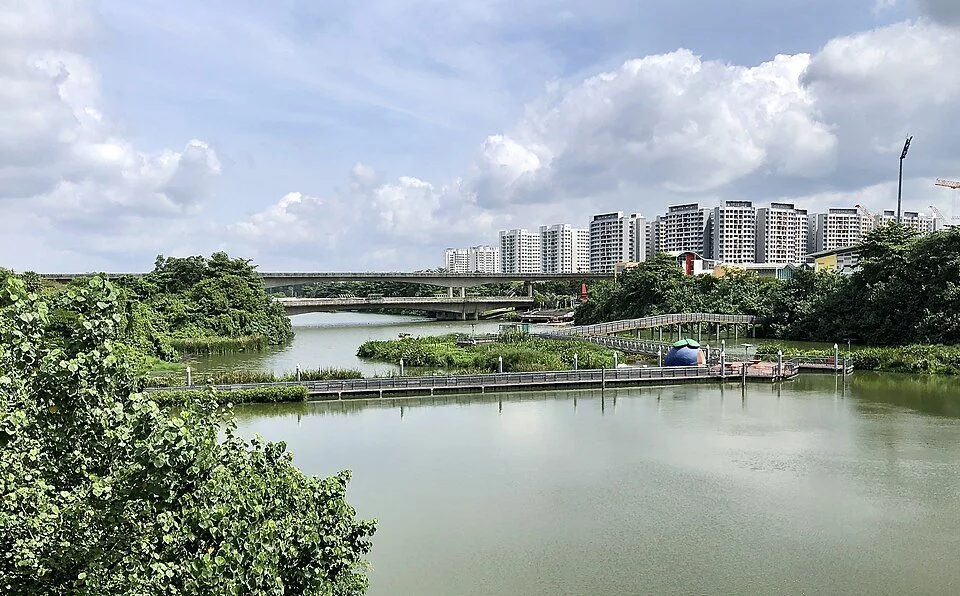
Sengkang Riverside Park is a 12-hectare linear park along Sungei Serangoon. The park has waterfront promenades, playgrounds, fitness equipment, and viewing platforms.
Visitors can also find water sports activities through the People's Association water sports center, including dragon boating, kayaking, and canoeing. The park serves as a recreation area for nearby Sengkang residents.
Quick Tip:
Combine your visit with Punggol Waterway Park for a longer cycling or walking route. Check the availability of water sports activities ahead of time.
8. Sengkang Sculpture Park
📍 Various locations around Compassvale Bow and Sengkang East Way, Singapore
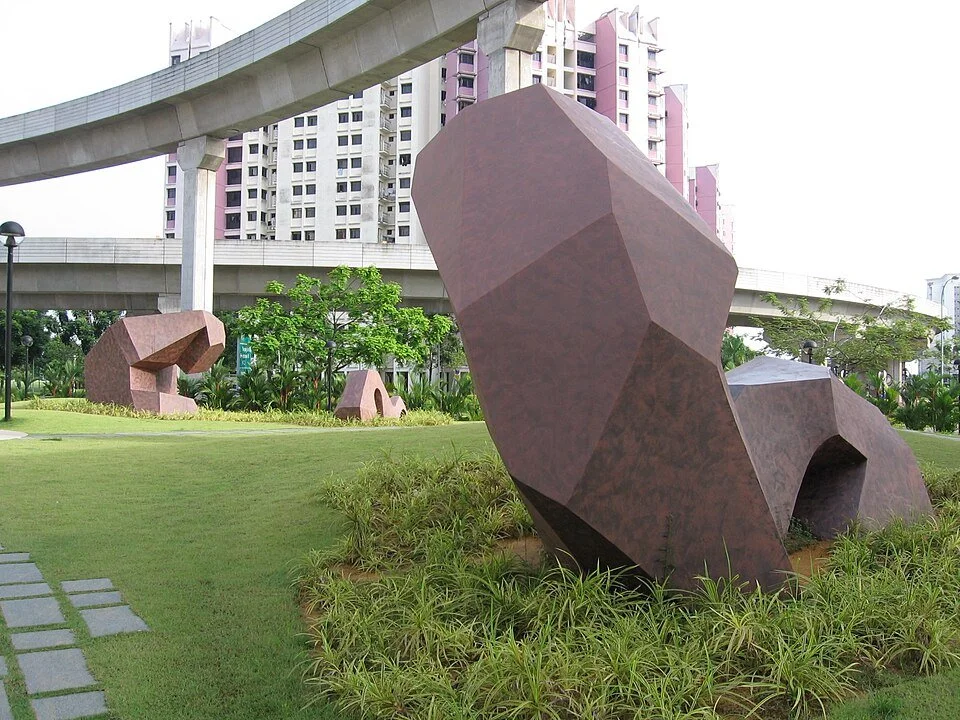
Sengkang Sculpture Park is a collection of public art installations distributed across the residential town. The sculptures feature different artistic styles and themes, adding visual interest to parks, housing precincts, and public spaces.
Rather than one central attraction, the artworks are best discovered while exploring Sengkang's neighborhoods.
Quick Tip:
Look up sculpture locations before your visit if you want to see specific installations. You can also discover them along your walking route.
9. Compass One Shopping Mall
📍 1 Sengkang Square, Singapore 545078
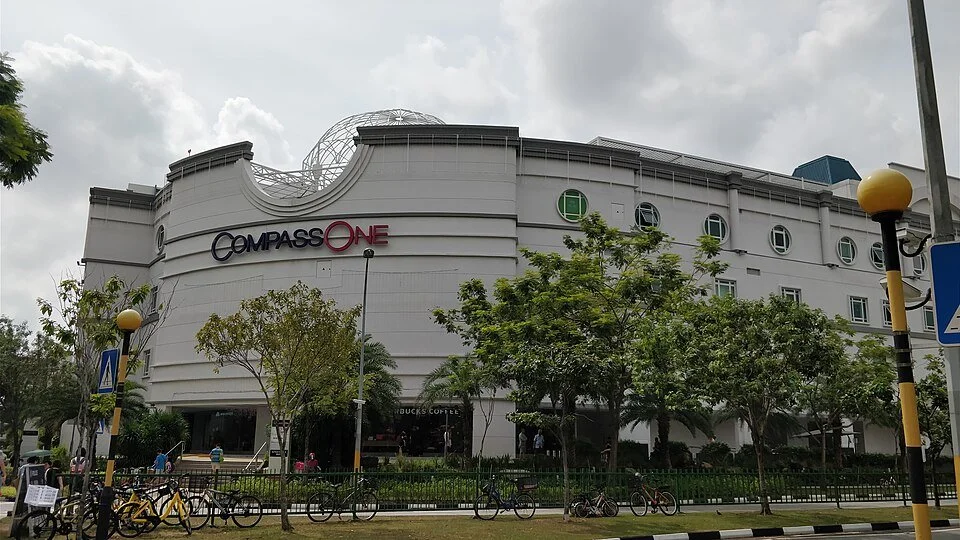
Compass One is Sengkang's main shopping mall, with retail stores, restaurants, a cinema, and community facilities. First opened in 2002 and expanded in 2014, the mall serves the surrounding residential communities.
The mall connects directly to Sengkang MRT station, making access easy for visitors exploring the area.
Quick Tip:
Stop by for food, shopping, or an air-conditioned break while visiting Sengkang.
10. Sengkang Swimming Complex
📍 57 Anchorvale Road, Singapore 544965
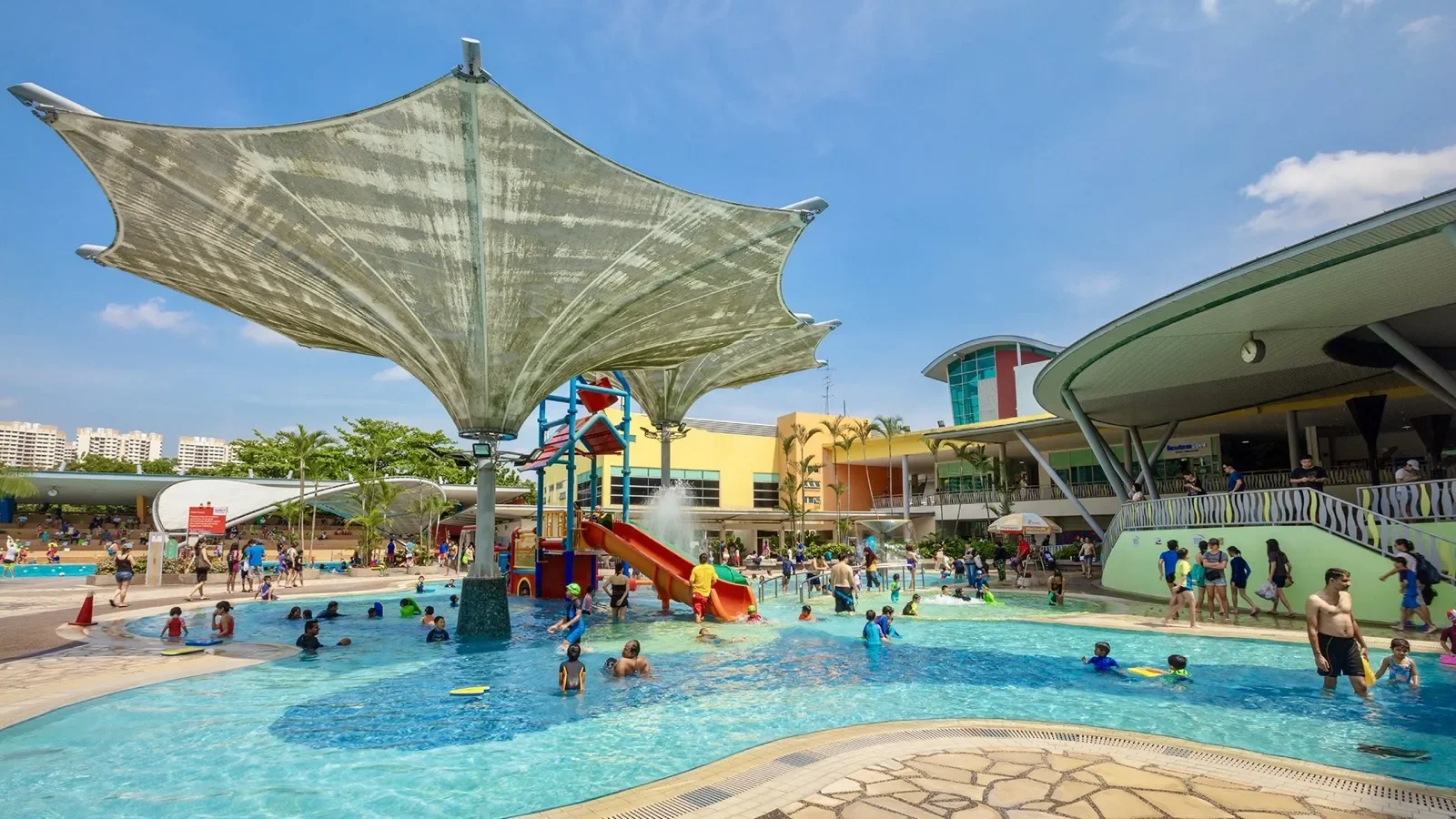
Sengkang Swimming Complex is a public swimming facility with a leisure pool, lap pool, children's pool, and water play areas. The complex provides affordable swimming and recreation facilities for local families and residents.
Quick Tip:
Visitors can also use the facility. Bring your swimwear and towels, and check current opening hours and admission fees before visiting.
11. Ang Mo Kio Town Centre and Ang Mo Kio Hub
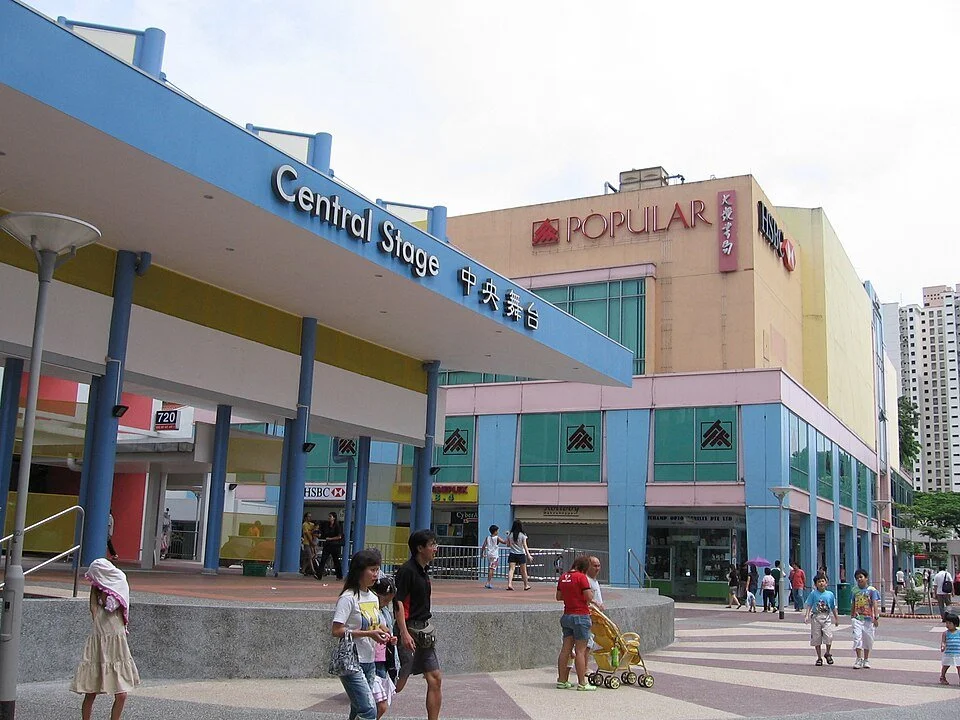
📍 Ang Mo Kio Central area around Ang Mo Kio MRT station, Singapore
Ang Mo Kio is one of Singapore's earliest new towns, developed from the 1970s onward. The mature residential estate has more than 160,000 residents.
Ang Mo Kio Hub, also known as AMK Hub, is the town's main shopping mall, with around 250 stores, restaurants, and entertainment facilities. The surrounding town center has hawker centers, neighborhood shops, and public spaces.
Quick Tip:
Explore the town center and nearby hawker centers for a look at everyday life in a mature Singaporean residential estate.
12. Bishan-Ang Mo Kio Park (Northern Section)

📍 Northern section accessible from Ang Mo Kio, Singapore
Bishan-Ang Mo Kio Park sits along the border of the North-East and Central Regions. Its northern section is accessible from Ang Mo Kio.
The park features the naturalised Kallang River, open lawns, playgrounds, exercise areas, and a dog run. The river was restored from a concrete drainage channel into a meandering waterway with natural banks.
Quick Tip:
See the Central Region guide for details about the full park. The northern entrance provides another access point for visitors exploring Ang Mo Kio.
13. Hougang Town Centre and Hougang Mall
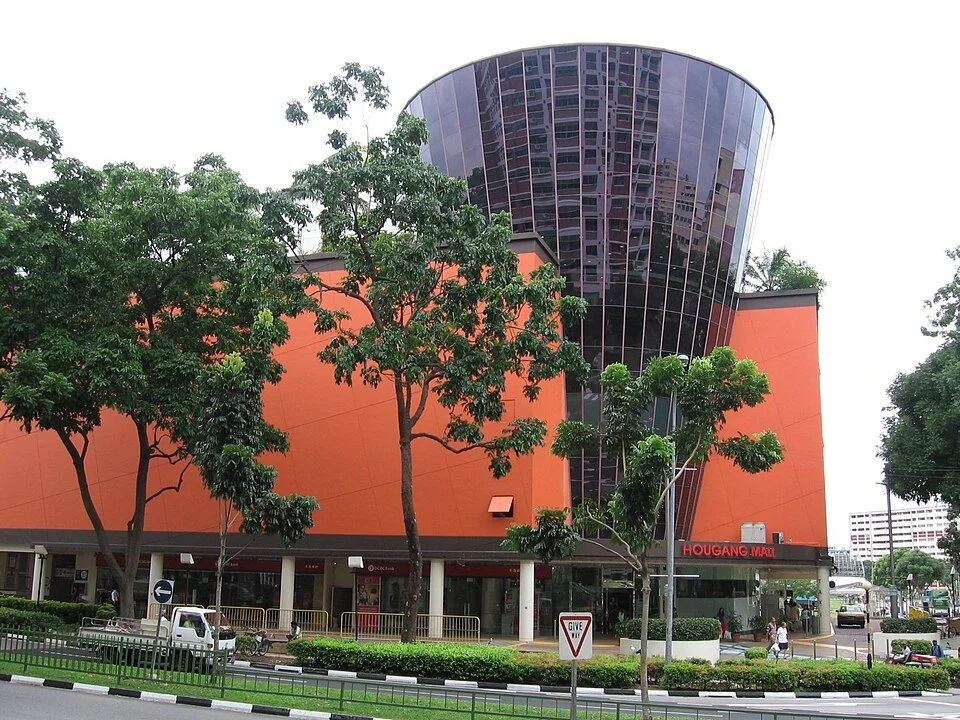
📍 Hougang Central area around Hougang MRT station, Singapore
Hougang is a mature HDB town developed from the 1980s onward. Its town center has shopping and dining destinations such as Hougang Mall and nearby Heartland Mall in Kovan.
The area also has older residential precincts alongside newer developments. Hougang 401 Market and Food Centre is a local hawker destination known for stalls with loyal followings among residents.
Quick Tip:
Explore the town center and visit Hougang 401 Market and Food Centre for affordable local food.
14. Serangoon Gardens and Chomp Chomp Food Centre
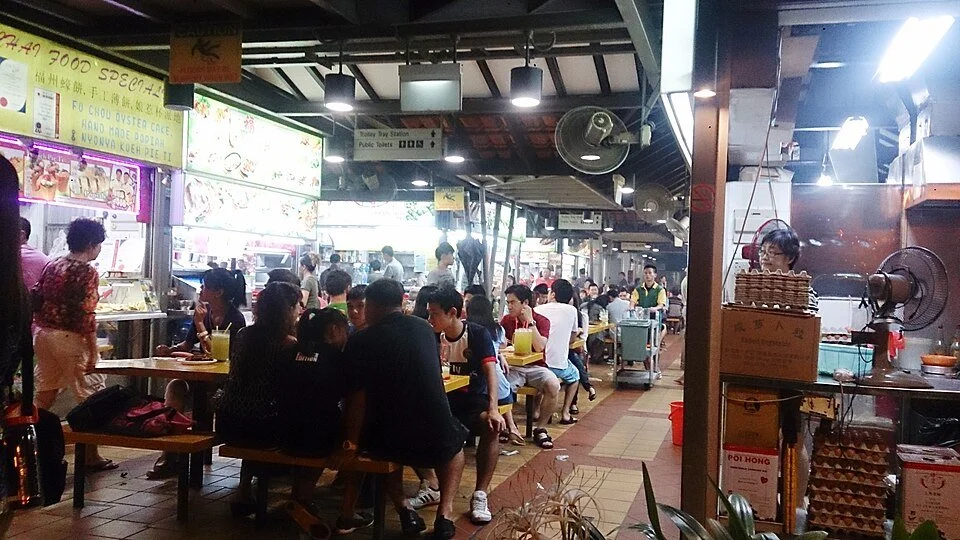
📍 Serangoon Gardens Estate, Singapore
📍 Chomp Chomp Food Centre: 20 Kensington Park Road, Singapore 557269
Serangoon Gardens is an older private housing estate developed in the 1950s. The neighborhood has landed houses, low-rise apartments, restaurants, cafes, and shops.
The area's main food destination is Chomp Chomp Food Centre, an open-air hawker center known for satay, barbecue chicken wings, sambal stingray, and other local dishes. The center attracts diners from across Singapore, especially during the evening.
Quick Tip:
Visit Chomp Chomp for dinner and try the satay, grilled seafood, and chicken wings. Arrive early on weekends to find a table.
15. myVillage at Serangoon Garden
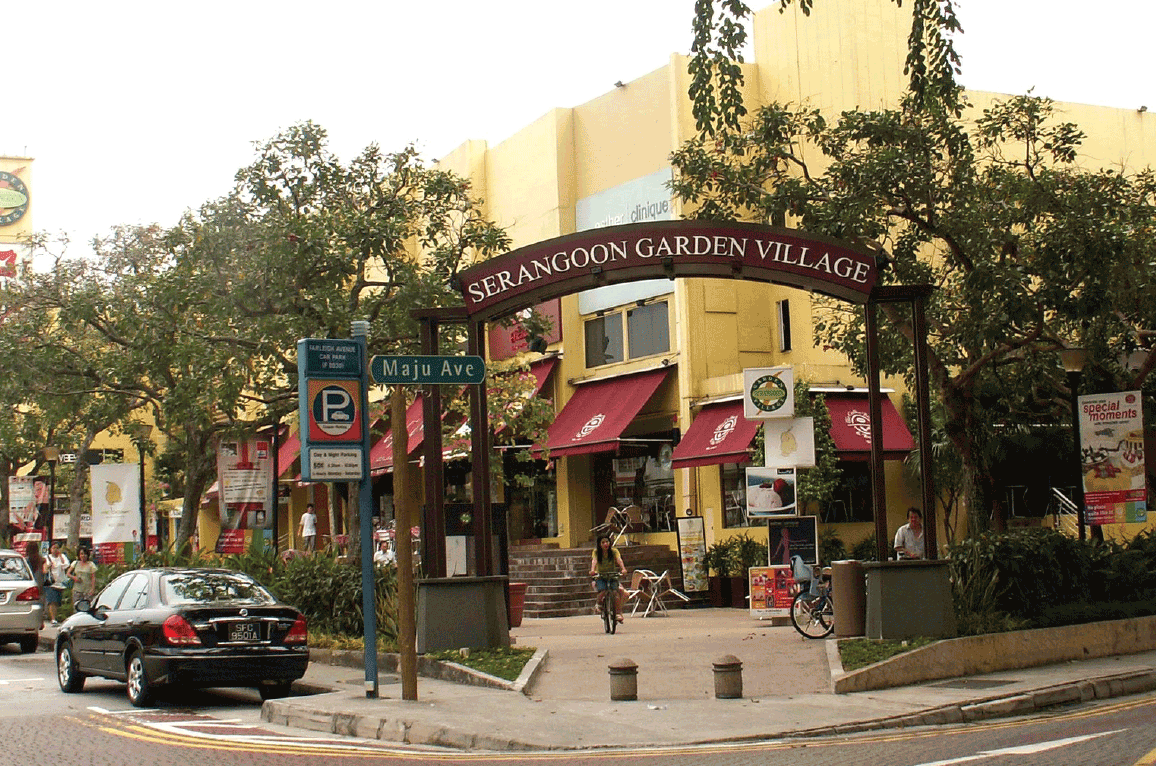
📍 1 Maju Avenue, Singapore 556679
myVillage is a shopping center in the Serangoon Gardens area. The mall has approximately 70 stores, a supermarket, dining options, and a cinema serving the surrounding private residential estates.
Compared with typical shopping centers in HDB towns, myVillage has a more upscale character that reflects the neighborhood around it. The mall provides everyday services and dining options for residents and visitors exploring Serangoon Gardens.
Quick Tip:
Use myVillage as a dining or rest stop while visiting Serangoon Gardens. The mall is a practical addition to the neighborhood itinerary rather than a major sightseeing destination.
16. Lorong Halus Wetland
📍 Lorong Halus, Singapore 509461
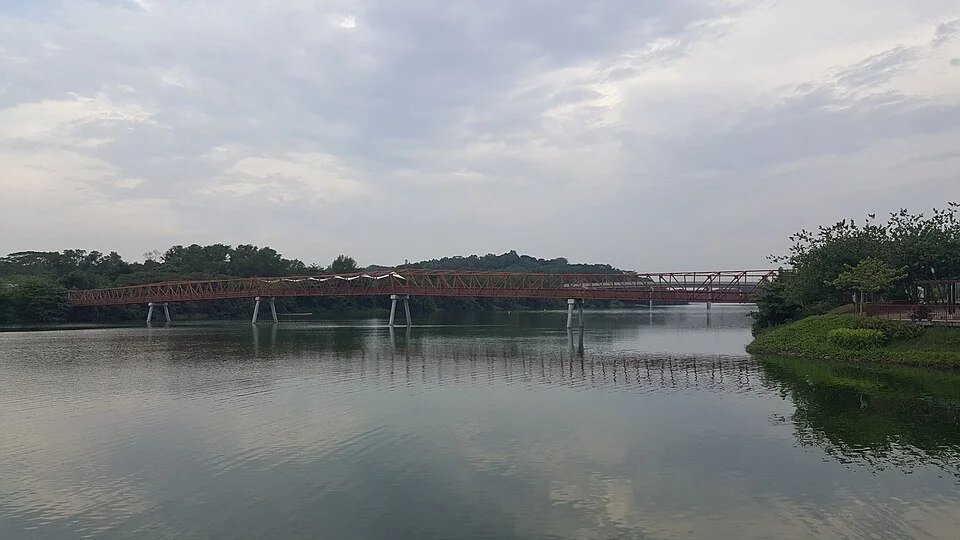
Lorong Halus Wetland is a 50-hectare freshwater marsh near the mouth of Sungei Serangoon, where the river meets Punggol Reservoir. The wetland protects habitats for birds, butterflies, dragonflies, and other wildlife.
The area serves as a conservation and research site, with designated viewing platforms and paths that limit disturbance to wildlife. More than 170 bird species have been recorded here, including migratory waders, herons, raptors, and resident birds. The wetland is also part of the East Asian-Australasian Flyway, an important migration route for birds.
One notable aspect of Lorong Halus is its history as a former landfill site. Ecological restoration transformed the reclaimed land into a functioning wetland habitat.
Quick Tip:
Bring binoculars if you're interested in birdwatching. Visit early in the morning for cooler temperatures and better chances of seeing wildlife. September to March is a good period for migratory birdwatching. Public access is limited to designated areas, so follow the marked paths and viewing points.
17. Serangoon Reservoir
📍 Serangoon Reservoir area, accessible from Punggol Park, Singapore
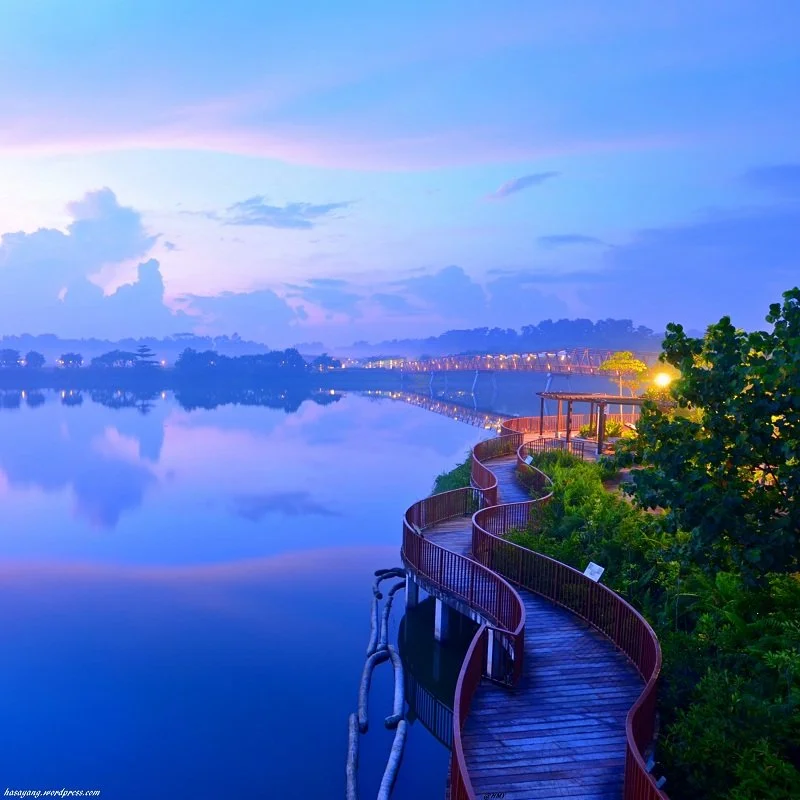
Serangoon Reservoir, also known as Punggol Reservoir in some contexts, is a freshwater reservoir that supplies drinking water and supports recreational activities along its shores.
The surrounding area has parks, fishing areas, and water sports facilities. The reservoir also connects to the North-Eastern Riverine Loop, allowing visitors to walk or cycle along waterfront paths and nearby green spaces.
Access to the reservoir is available through surrounding parks and park connectors rather than a single dedicated visitor entrance.
Quick Tip:
Explore the reservoir as part of a visit to nearby parks and the park connector network. Check the surrounding access points before heading there, as viewing areas are spread across the area.
18. Seletar Aerospace Park
📍 3 Aerospace Boulevard, Singapore 498883
Seletar Aerospace Park is an aviation manufacturing and research complex in the Seletar area. The development houses facilities for companies such as Rolls-Royce, Pratt & Whitney, and Singapore Technologies Aerospace, supporting Singapore's aerospace and precision engineering industries.
The park is primarily an industrial and employment zone rather than a tourist attraction. Still, the area provides an example of how Singapore supports high-value industries alongside residential communities. The aerospace sector also reflects the country's focus on advanced manufacturing, engineering, and aviation-related research.
Quick Tip:
Seletar Aerospace Park is not a regular tourist destination, and company facilities are not open for general visits. The area is included to show the role of employment and industrial zones within the largely residential North-East Region.
Singapore's North-East Region provides a look at the residential side of the city-state. The area has newer towns such as Sengkang and Punggol, mature estates like Ang Mo Kio and Hougang, and parks and wetlands that bring nature into densely populated communities.
The main attractions are largely nature-based and residential. Punggol Waterway Park and Sengkang Riverside Park provide waterfront recreation, while Coney Island and Lorong Halus Wetland protect habitats for wildlife. The town centers and hawker centers also give visitors a chance to experience everyday Singapore beyond the usual tourist districts.
One full day is enough to visit the main highlights. Start with Punggol Waterway Park and Coney Island, continue to Sengkang Riverside Park, then head to Chomp Chomp Food Centre for dinner. You can add Ang Mo Kio or Hougang if you want to explore a mature residential town.
The North-East MRT Line and the Sengkang and Punggol LRT systems make many parts of the region accessible by public transport. Some parks and nature areas may require additional walking, cycling, or bus rides, so plan your route ahead.
The North-East Region may not have as many traditional sightseeing attractions as Central Singapore, but the area gives you a better understanding of how Singapore's residential towns work. From high-rise housing and community facilities to waterfront parks and nature reserves, there's plenty to see beyond the usual tourist itinerary.
Exploring Singapore beyond the city center? Save this guide and share it with anyone interested in Punggol Waterway Park, Coney Island, Sengkang, and the residential heartland.