Ultimate DIY Travel Guide to Ilocos Norte
Discover one of Philippine’s top tourist destinations – Ilocos Norte.
Ilocos Norte is a province located in the northernmost part of Luzon, the largest island in the Philippines. The province is known for its unique culture, breathtaking scenery, and friendly people. From ancient churches and museums to breathtaking natural wonders and adrenaline-pumping outdoor activities, Ilocos Norte has something for every kind of traveler.
In this blog post, we will take a look at some of the best places to visit in Ilocos Norte. So, if you are looking for an ultimate travel guide to Ilocos Norte, this post is for you.
Travel Requirements to Ilocos Norte
Based on the current news, there are no travel requirements. Check out Ilocos Norte’s official media pages for any updates on travel requirements.
How to get to Ilocos Norte?
Getting to Ilocos Norte is easy as there are many options available for every traveler.
By Airplane to Ilocos Norte from Manila
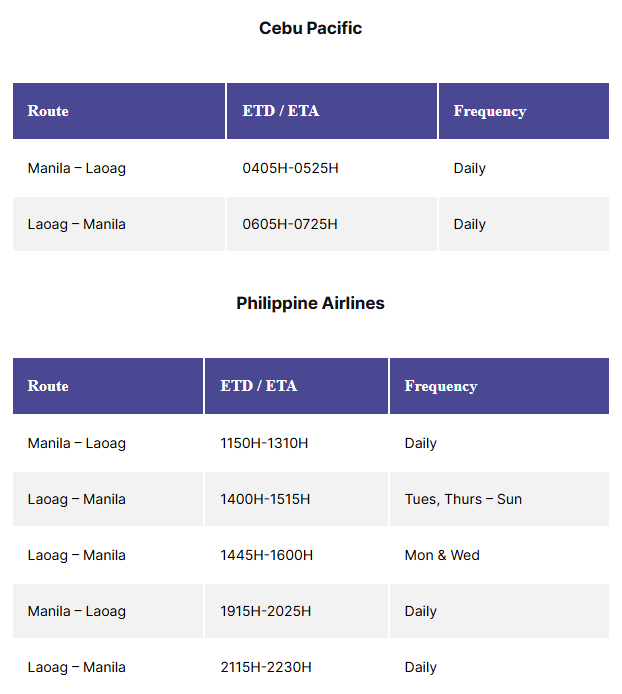
There are two airlines that flies to Ilocos Norte: Cebu Pacific and Philippine Airlines.
Terminals/s:
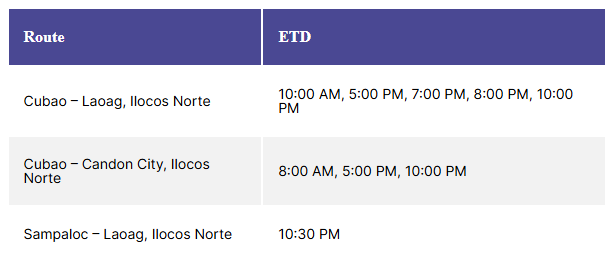
Cubao: 816 Aurora Boulevard, Cubao, Quezon City
Sampaloc: Bgy 488, Zone 048, 1716 Vicente Cruz St, Sampaloc, Manila
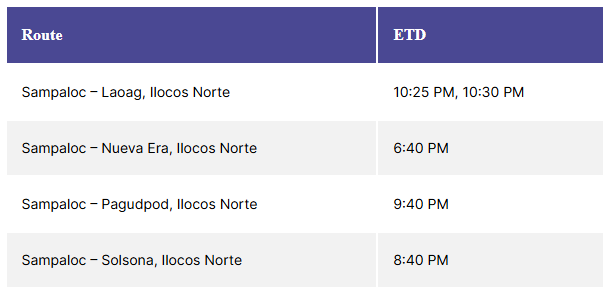
*Sleeper with CR buses
Terminal/s:
Sampaloc: 832 AH Lacson Ave. Cor. Earnshaw St. Sampaloc, Manila.
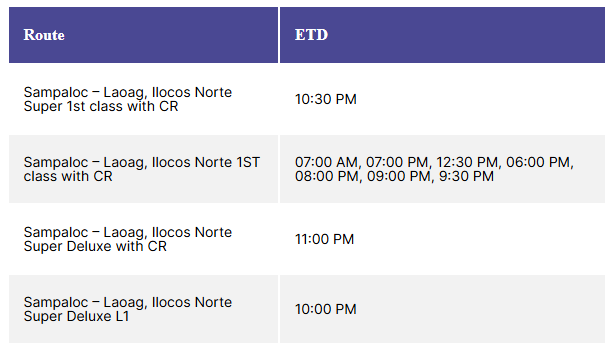
Terminal/s:
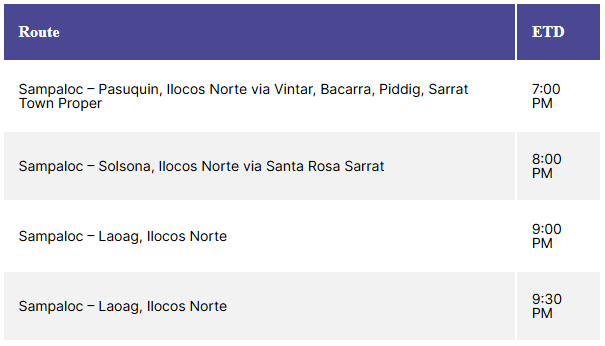
Sampaloc: 1238 Lacson Ave. Sampaloc, Manila
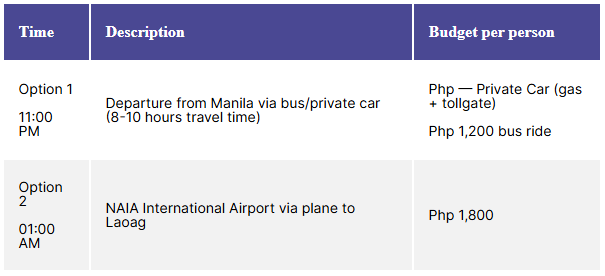
By private car to Ilocos Norte from Manila
You can also reach Ilocos Norte by driving a private car or by renting a private van.
The ride is approximately 8-9 hours from Balintawak Toll Gate to Laoag city. Ride duration varies as it’s dependent on current traffic situation and stop overs.
The quickest route to Ilocos Norte is through North Luzon Expressway (NLEX), then take the exit to SCTEX/Clark Airport. From there, take the Tarlac-Pangasinan-La Union Expressway (TPLEX).
Where to stay in Ilocos Norte?
There are plenty of accommodation choices in Ilocos Norte. The Ilocos Norte tourism office released an official list of accredited accommodation. Read more about them here.
For some specific recommendations, see my curated list below:
-
Deluxe:
Mid-Range:
-
-
How to get around Ilocos Norte?
-
By private cars and vans – If you don’t have a private car but want to rent one, you may rent private cars and vans through the accredited transportation partner (Ilocos Norte Travel Agencies Association), your hotel and/or tour operator.
-
By Bus
There are plenty of provincial buses in Ilocos Norte.
Ordinary buses are a budget-friendly mode of travel. They typically do not have air conditioning and often rely on natural ventilation through open windows and doors to keep passengers cool during the journey. (Minimum charge Php 45)
Air Conditioned buses provide a more comfortable ride as it has air-con inside. This is very important since the Philippines is a humid country. (Minimum charge Php 100)
By Jeepney
Jeepney is a popular PUV (public utility vehicle) in the Philippines. It is known for its vibrant and colorful design. This is commonly use for short to medium-distance travel within cities and towns. (Minimum fare Php 12 for the first 4 km)
By Tricycle
Tricycle is a three-wheeled vehicle typically used for short-distance travel within a local area. (Minimum fare Php 20 for the first kilometer)
By Calesa
Calesa is a traditional horse-drawn carriage that was once a common mode of transportation in the Philippines during the Spanish colonial era.
What to eat in Ilocos Norte?
If you enjoy exploring new flavors, prepare your taste buds for an Ilocano culinary adventure. Ilocos Norte boasts a gastronomic heritage that is both rich and diverse. Mangantayon! (Let's eat!)
Here are my few picks of must-try food in Ilocos Norte:
Snacks:
-
It is a deep-fried pastry filled with a mixture of savory ingredients. The traditional filling for Ilocos empanada typically includes the following key ingredients: Vigan longganisa, grated green papaya, togue, and egg.
-
Pinakbet pizza is a creative fusion dish that combines the flavors of the traditional Filipino vegetable dish called “pinakbet” with the popular Italian pizza.
In the case of pinakbet pizza, the traditional ingredients of pinakbet are used as toppings on a pizza crust. These toppings can include a variety of vegetables like eggplant, okra, squash, string beans, and bitter melon, all of which are commonly used in pinakbet.
Vegetables:
-
Pinakbet is a dish made from mixed vegetables and shrimp paste, typically flavored with garlic, onions, and sometimes pork or shrimp.
Pinakbet features a mix of fresh vegetables, which can vary depending on regional preferences and seasonal availability. Common vegetables used in pinakbet include eggplant, okra, string beans (sitaw), bitter melon (ampalaya), squash or pumpkin (kalabasa), and tomato.
-
Poqui-Poqui is a flavorful and hearty vegetable dish made primarily from grilled or roasted eggplants, which are then sautéed with garlic, onions, tomatoes, and beaten eggs. The result is a savory and slightly smoky dish with a creamy texture.
-
Dinengdeng is a simple and nutritious dish known for its use of various fresh vegetables and fish, often seasoned with bagoong (shrimp paste) or other condiments for flavor. Dinengdeng is a classic example of Filipino “sabaw” or soupy dishes, and it is popular among those who appreciate the flavors of Filipino home cooking.
Meat Dishes:
-
Bagnet is a deep-fried crispy pork belly, and it’s often compared to pork cracklings (chicharon).
-
Papaitan is a dish known for its strong and distinctive flavors, particularly its bitter and savory taste. The name “papaitan” is derived from the Filipino word “pait,” which means bitter. One of the key ingredients in papaitan is the bile, which is usually sourced from the gallbladder of the animal being cooked. The bile is added to the soup to provide the distinct bitter flavor. It is crucial to balance the amount of bile used to avoid an overly bitter taste.
-
Dinakdakan is a flavorful and savory dish made primarily from grilled or boiled pork parts, typically the ears, face, and tongue, which are then chopped into small pieces. Dinakdakan is known for its rich and creamy texture, as well as its bold flavors.
-
Igado is often described as a type of pork and liver stew. The primary ingredients of igado are pork and pork liver. Both the pork and liver are cut into thin strips or small pieces. The use of pork liver gives the dish its distinctive flavor and texture.
Desserts:
-
Dudol is made from glutinous rice (malagkit), coconut milk, and sugar, and it is known for its sweet, creamy, and sticky texture.
-
Tupig is a traditional Filipino rice cake that is often enjoyed as a snack or dessert, especially during special occasions and festivals. It is a sweet and sticky treat made primarily from glutinous rice, coconut, and sugar. Tupig is typically prepared by grilling or roasting, which gives it a unique texture and flavor.
Where to eat in Ilocos Norte?
Badoc:
Burgos:
Kang Kang Windmill Café
Laoag:
Cusina de Iloco
Pagudpud:
Paoay:
Solsona:
San Nicolas:
What to see and do in Ilocos Norte?
Cultural Heritage Structure
-
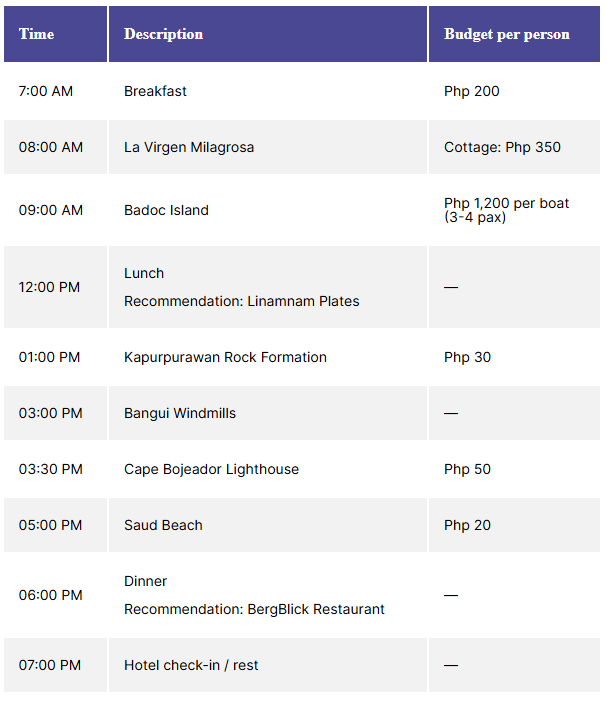
Cape Bojeador Lighthouse, also known as Burgos Lighthouse, is a cultural heritage structure in Burgos, Ilocos Norte, established during the Spanish Colonial period in the Philippines.
This lighthouse, with brick walls as is the style of many other lighthouses in the country, is one of the highest elevated Spanish colonial lighthouses in the Philippines.
It still functions as an active and welcoming flair to ships that enter the Philippine Archipelago from the North.
-
The Malacanang of the North is a historical mansion in Paoay, Ilocos Norte, built in 1977 as a rest house for the former Philippine President Ferdinand Marcos Sr. and his family.
-
The Tobacco Monopoly Monument is a historical landmark in Laoag, Ilocos Norte, that commemorates the end of the tobacco monopoly during the Spanish colonial era.
-
Museo Ilocos Norte is a famous cultural museum in Laoag City, Ilocos Norte, known for showcasing the rich cultural heritage and history of the Ilocos region. The museum’s collection includes artifacts, photographs, and other historical items that tell the story of Ilocos Norte’s evolution from its pre-colonial period to the present day.
-
The Juan Luna Shrine is a national museum in Badoc, Ilocos Norte. It is the ancestral house of the Luna family, built in the 1850s and dedicated to the life and works of renowned Filipino painter Juan Luna.
Tourist Attraction
-
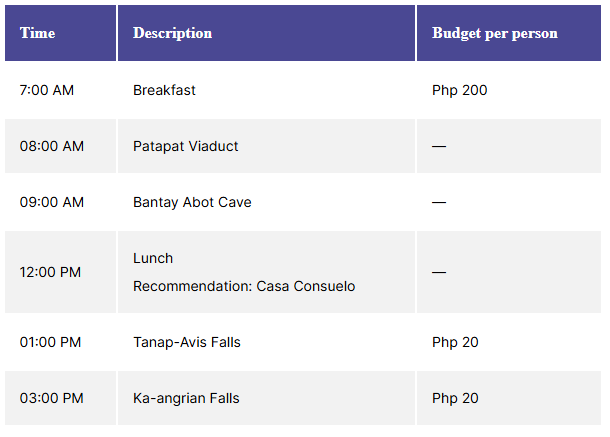
Known as the 4th largest bridge in the Philippines, the Patapat Viaduct is a 1.3km long bridge located in Ilocos Norte. It stretches along the northern coastline and connects the municipalities of Pagudpud and Adams. It is known for its breathtaking coastline view, surrounded by lush mountains and greenery.
-
The Bangui Windmills are a group of 20 wind turbines located in Bangui, Ilocos Norte. This was constructed in 2005 to generate renewable energy and reduce reliance on fossil fuels.
Natural Wonder
-
Located near Patapat Viaduct, Bantay Abot Cave is another popular tourist spot. The cave is a natural rock formation that resembles a hole in the mountain created by the sea eroding the rocky coastline over time.
-
The Sand Dunes of Paoay, Ilocos Norte is a popular tourist attraction. Visitors can enjoy thrilling off-road adventures such as sandboarding, ATV rides, 4×4 jeep tours, and scenic views during sunset. Adventure seekers can also take horseback rides or watch a kite-flying display.
-
Dubbed as the “Boracay of the North,” Saud beach in Pagudpud, Ilocos Norte is a popular tourist destination. It’s known for its crystal-clear waters and pristine white sand.
-
Kapurpurawan Rock Formation is a unique landscape of white limestone rock formations in Burgos, Ilocos Norte. It has been shaped by the forces of wind and water over millions of years.
-
Paoay Lake is a natural freshwater lake in Paoay, Ilocos Norte, known for its scenic beauty and unique geological features. It is about 1.8 km long and 1.2 km wide, surrounded by lush forests and hills. The lake is believed to have been formed by earthquakes in the 17th century or a volcanic eruption in the past.
-
Anuplig Falls is a natural wonder located in the province of Ilocos Norte. To reach the falls, visitors will need to trek through the forest for around 45 minutes and can enjoy various flora and fauna species along the way. Anuplig Falls offers a breathtaking sight of cascading waterfalls, surrounded by towering cliffs and lush vegetation.
-
Kabigan Falls is a 80 feet tall falls and has a refreshing natural pool for swimming. Local guides are available to assist visitors during the trek, and the area is perfect for relaxing and having a picnic.
-
Agua Grande River Park features a pristine river with crystal-clear water, surrounded by lush vegetation and towering trees
-
Kalbario-Patapat Natural Park spans 32,000 hectares. It features two mountain ranges, Kalbario and Patapat, which offer challenging hiking trails and scenic coastal views. The park is home to a diverse array of flora and fauna and several indigenous communities with rich cultural traditions.
Churches
-
Paoay Church, also known as Saint Augustine Church, is an 18th-century Baroque-style church in Paoay, Ilocos Norte. It is a UNESCO World Heritage site known for its massive coral stone buttresses that reinforce the structure during earthquakes, intricate facade designs, and impressive interior with stained glass windows, murals, and a golden altar.
-
The Sinking Bell Tower is a famous tourist attraction in Laoag City, Ilocos Norte, known for its inclination due to being built on sandy soil. It was constructed in 1707 as part of St. William’s Cathedral. It has undergone several restorations over the centuries.
-
St. William’s Cathedral, also known as the Laoag Cathedral, is a cathedral built in 1612 and features a unique fusion of Gothic, Baroque, and Oriental architecture. Its bell tower is one of the tallest in the Philippines.
-
Bacarra Church, also known as St. Andrew the Apostle Church, is a popular tourist spot in Bacarra, Ilocos Norte. Built-in 1593, it is one of the oldest churches in the province and boasts a mix of Baroque and Gothic architecture. It features a unique ivory retablo and is a popular pilgrimage site for Catholics.
-
La Virgen Milagrosa Chapel is a Baroque-style chapel in Badoc, Ilocos Norte. Built in 1591, it houses a miraculous statue of the Virgin Mary and serves as a pilgrimage site for devotees.
Suggested Itineraries
Ilocos Norte’s tourism office released a helpful suggested itineraries so you can get most out of your vacation in Ilocos Norte. Here are some of them:
-
Kite Surfing in Kaparispisan
Surfing in Balaoi
Kapurpurawan Rock Formation
Ilocos Norte Windmills & Solar Plant
Pagudpud Saud Beach
Kabigan Falls
Patapat Viaduct-Hydro Power Plant
-
Bacarra Church (NT)
Pasuquin Salt Making
Burgos Lighthouses (NT)
Dumalneg Tribal Center
Adams
-
Laoag Cathedral and Bell Tower (NT)
San Nicolas Church (ICP)
Batac Church
Paoay Church (UNESCO World Heritage Site)
Minor Basilica of Badoc
La Milagrosa Chapel
-
Sarrat Church (ICP)
Piddig Flower Farm
Solsona-Apayao Road
Dingras Church
Banna Food and Crafts
Nueva Era Eco-Cultural Park
-
Vintar River Sports
Sand Dunes 4×4 & Sandboarding
Paoay Lake Water Park
Snorkeling at Currimao Coral Formations
Badoc Island
-
Laoag City Center
Malacañang of the North
Paoay Church (UNESCO World Heritage Site)
Marcos Presidential Center
Batac Empanada
San Nicolas Plaza
-
Sarrat Birthplace
Marcos Hall of Justice
Malacañang of the North
Marcos Presidential Center-Batac
-
Abel, Pinili and Paoay
San Nicolas Damili
Batac Empanada
Currimao Tupig
Pinili Garlic & Onions
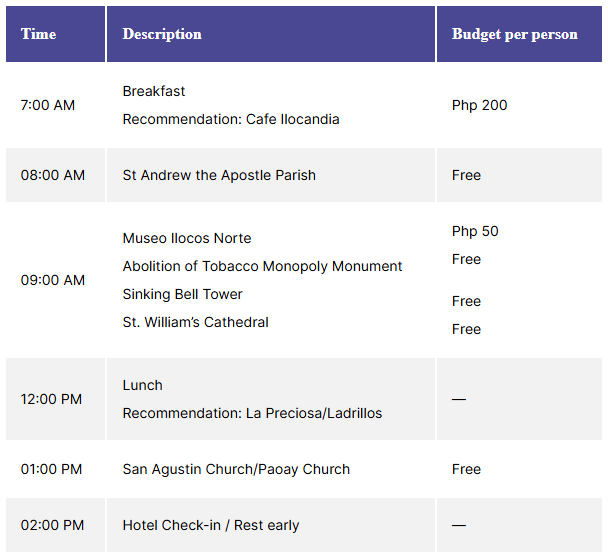
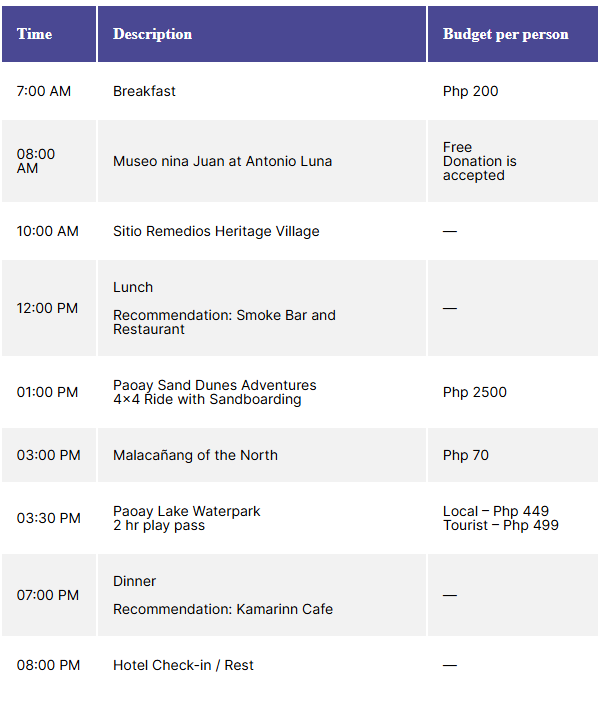
Sample 4 Day DIY Itinerary with Budget Breakdown
Day 0
Day 1
Day 2
Day 3
Day 4
More Tips!
-
As a tropical country, we only have two seasons – dry and wet.
Dry season is from November to April while Wet season is from May to October.
I highly recommend to visit Ilocos Norte during the dry season. Anyday between November to April.
-
January
Gameng Festival
Tadek Festival
February
Guling-Guling Festival
Pul-oy Festival
Pamulinawen Festival
Binakol Festival
March
Ani Festival
Mannalon Festival
April
Tadek Bagat Festival
Bado-Badoc Festival
Paagwawagi Festival
Amian Festival
Kangayedan Festival
Bawang Festival
Dinaklisan Festival
May
Magdadaran Talip Gestival
May / June / December
Empanada Festival
November
Bac-Bacarra Festival
December
Pinagabu-os Festival
Panag-sana Festival
Basi Festival
Damili Festival
Siwawer Festival
-
Iloko (Ilocano) is the common language, although English and Filipino are widely used.
Here are some helpful Ilocano phrases that you can use as a tourist:
GREETINGS
Good Morning – Naimbag nga bigat yo, Apo
Good Afternoon – Naimbag nga malem yo, Apo
Good Evening – Naimbag nga rabii yo, Apo
How are you? – Kumusta kayo, Apo?
POLITE EXPRESSIONS
Please – Pangaasim man
Thank you – Dios ti agngina
You are welcome – Awan anyaman na
Come again – Umay kayto manen
Yes/ No – Wen/ Saan
Sir/Ma’am – Apo
ASKING DIRECTIONS
How to get to… – Kasano ti mapan diay…?
How far – Adayo?
IN THE MARKET
I want to buy a … – Kayat ko ti gumatang ti…
Expensive! – Nagnginan!
No discount? – Awan tawar nan?
-
The Philippine’s official currency is Php (Philippine Pesos). General conversion would be roughly 50 Php per 1 US Dollar. Cash is widely accepted in any establishment.