Vigan’s Calle Crisologo
We arrived early at Calle Crisologo. This was my second visit. The first time was back in 2011. Seeing it again after many years felt familiar. The cobblestone street and old Spanish houses still stood the same. Very little had changed.
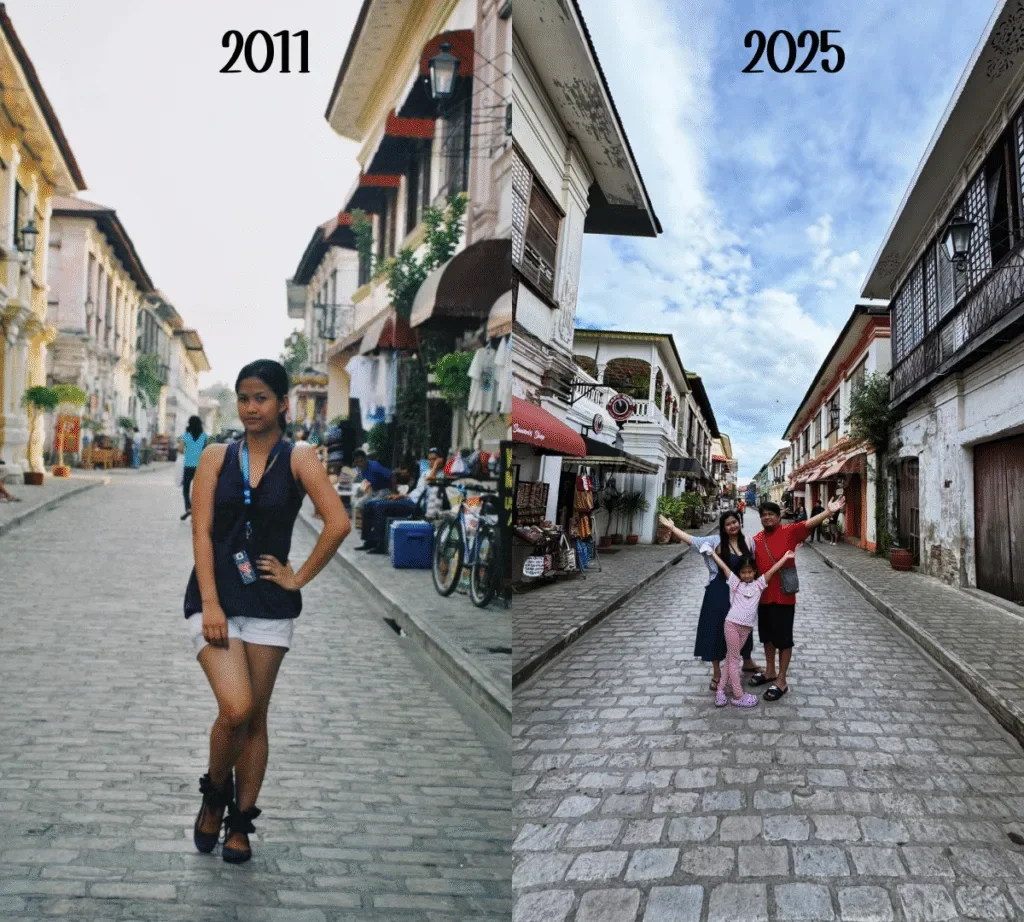
Walking down the street felt slow and unhurried. Shops were just starting to open. A few souvenir stalls displayed shirts, bags, and local crafts. Snack vendors prepared early orders. Kalesas passed by one after another, their sound echoing against the stone road.
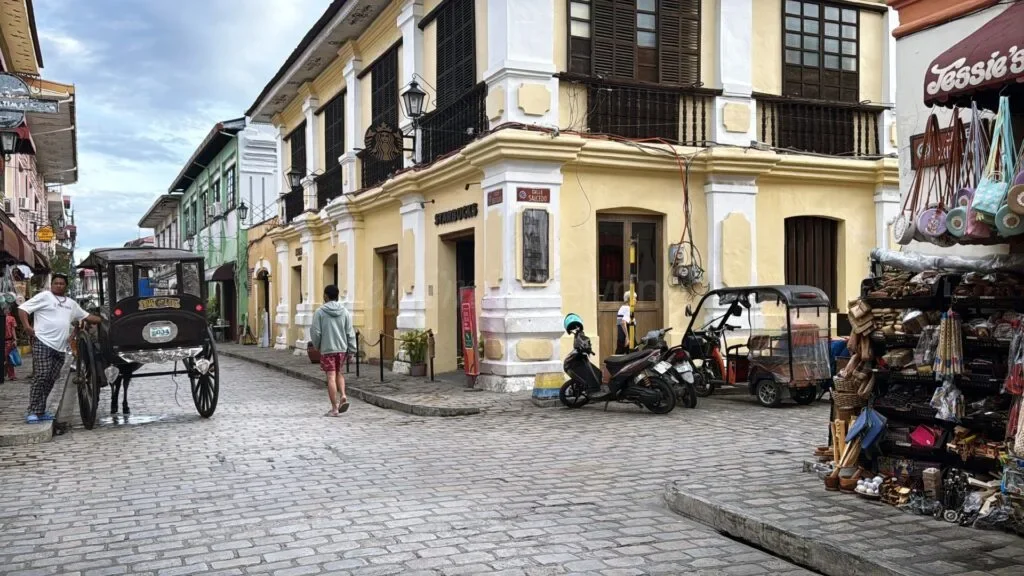
I enjoyed walking without rushing. Early mornings felt quiet, which helped me notice details like wooden windows, tiled roofs, and iron grills. As time passed, more visitors arrived. The street slowly filled with people taking photos and browsing stores. Even then, it never felt overwhelming.
About the Calle Crisologo
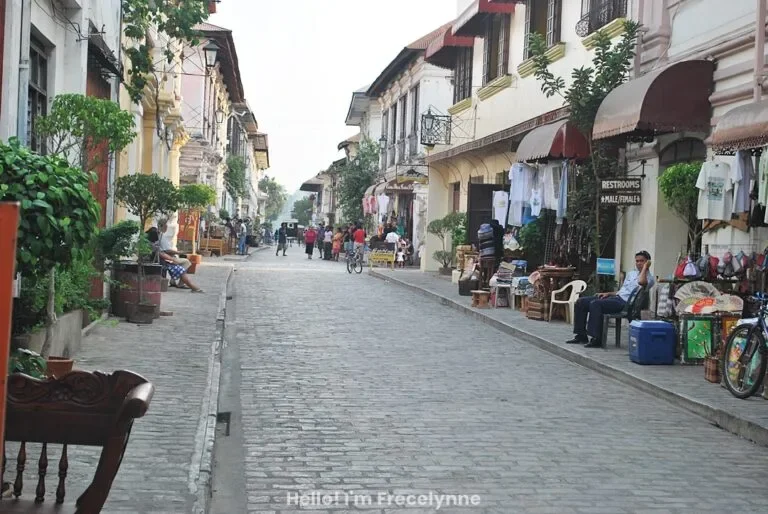
Calle Crisologo forms part of the Historic City of Vigan, a UNESCO World Heritage Site. The city holds recognition as one of the best preserved planned Spanish colonial towns in Asia.
The street features cobblestones lined with Spanish era ancestral houses. These homes reflect influences from Spanish, Mexican, and Chinese design. Azoteas, capiz windows, and clay tile roofs define the facades. Walking here feels like stepping into a preserved chapter of Philippine history.
Calle Crisologo stands as one of the most recognized heritage streets in the country. Horse drawn carriages, old street lamps, and ancestral houses shape the scene. Every corner reflects stories from the colonial past.
Planning Your Visit at Calle Crisologo
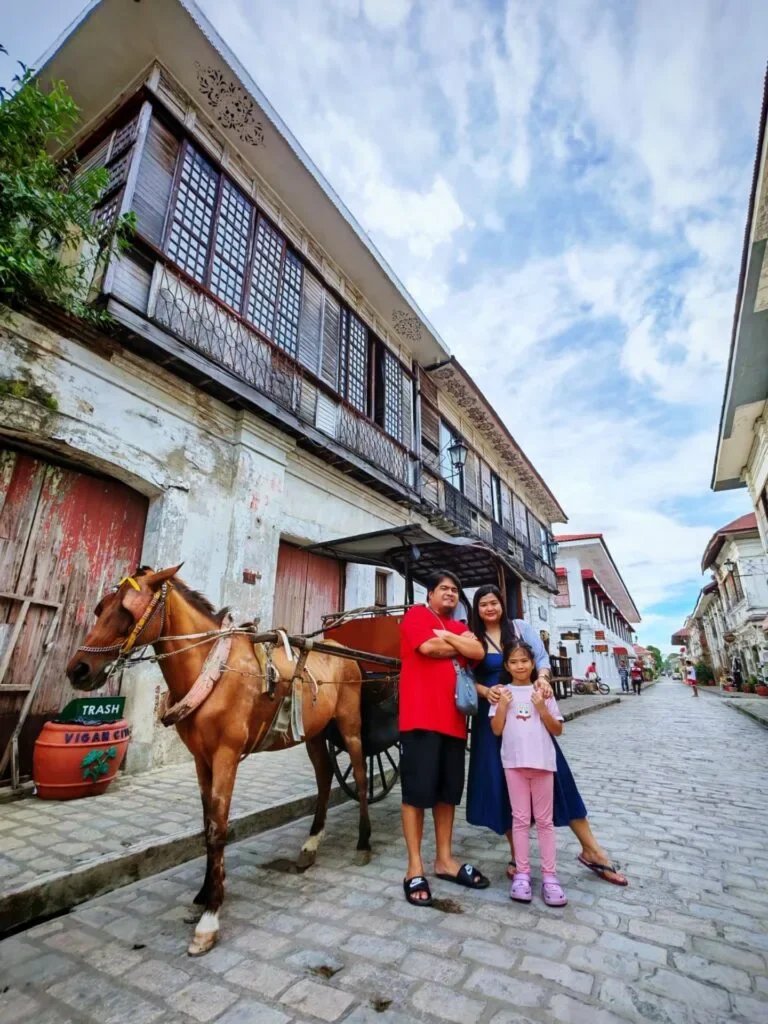
Visiting early in the morning gives you fewer crowds. Many stores remain closed, but this works well for photos and quiet walks.
Late afternoon until evening feels very different. Shops open fully. Restaurants extend tables outside. More visitors arrive, and the street feels active and social.
Parking remains limited around the area. I noticed paid parking signs nearby, so plan ahead if you bring a car.
Parking remains limited around the area. I noticed paid parking signs nearby, so plan ahead if you bring a car.